Gotland 2026 – Into the Baltic’s Underwater Museum
The wrecks around Gotland have a reputation for being among the best-preserved wrecks in the world. Yet only a handful of divers ever get to see them. They are remote, deep and difficult to reach – and that is exactly what makes them so special.
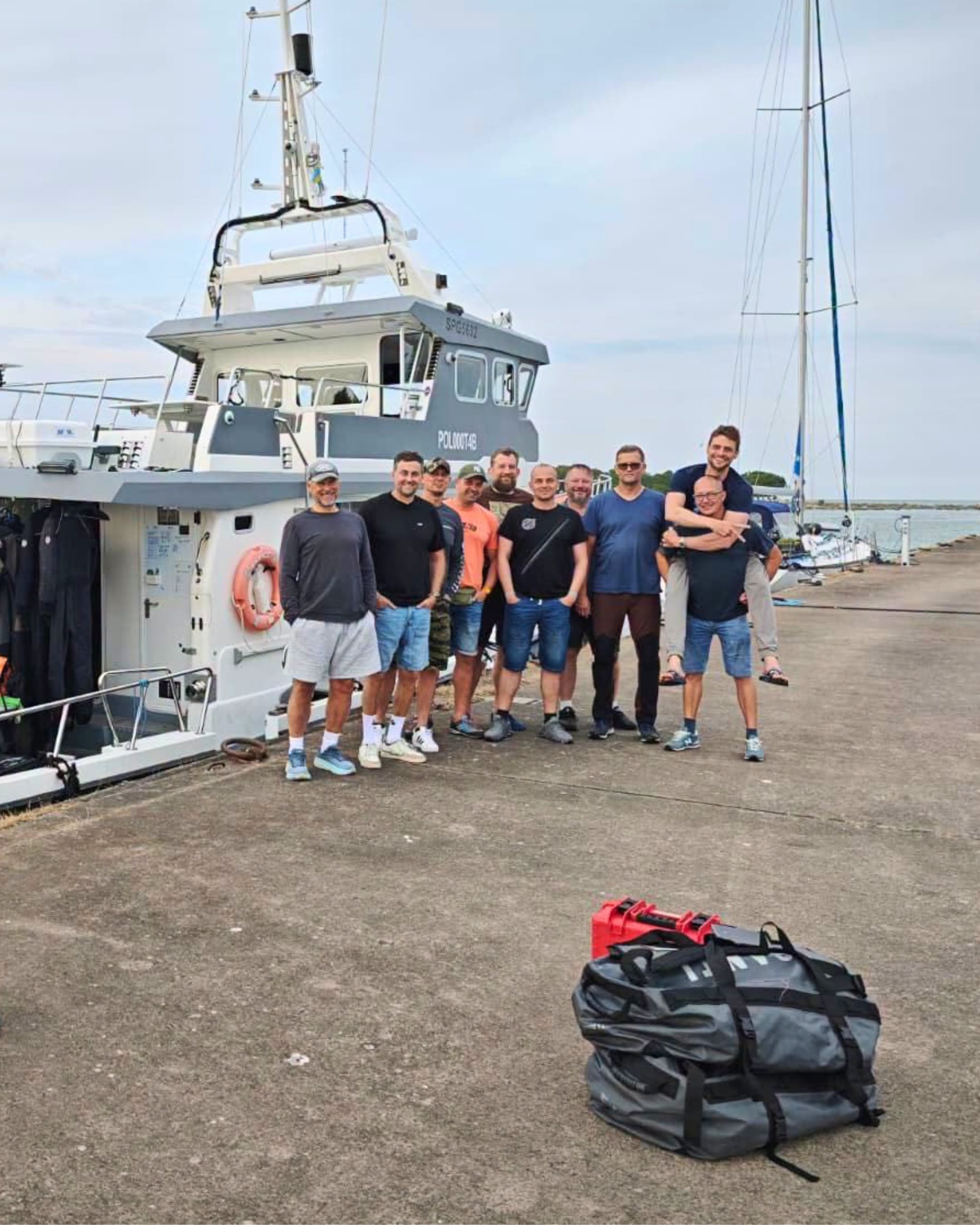
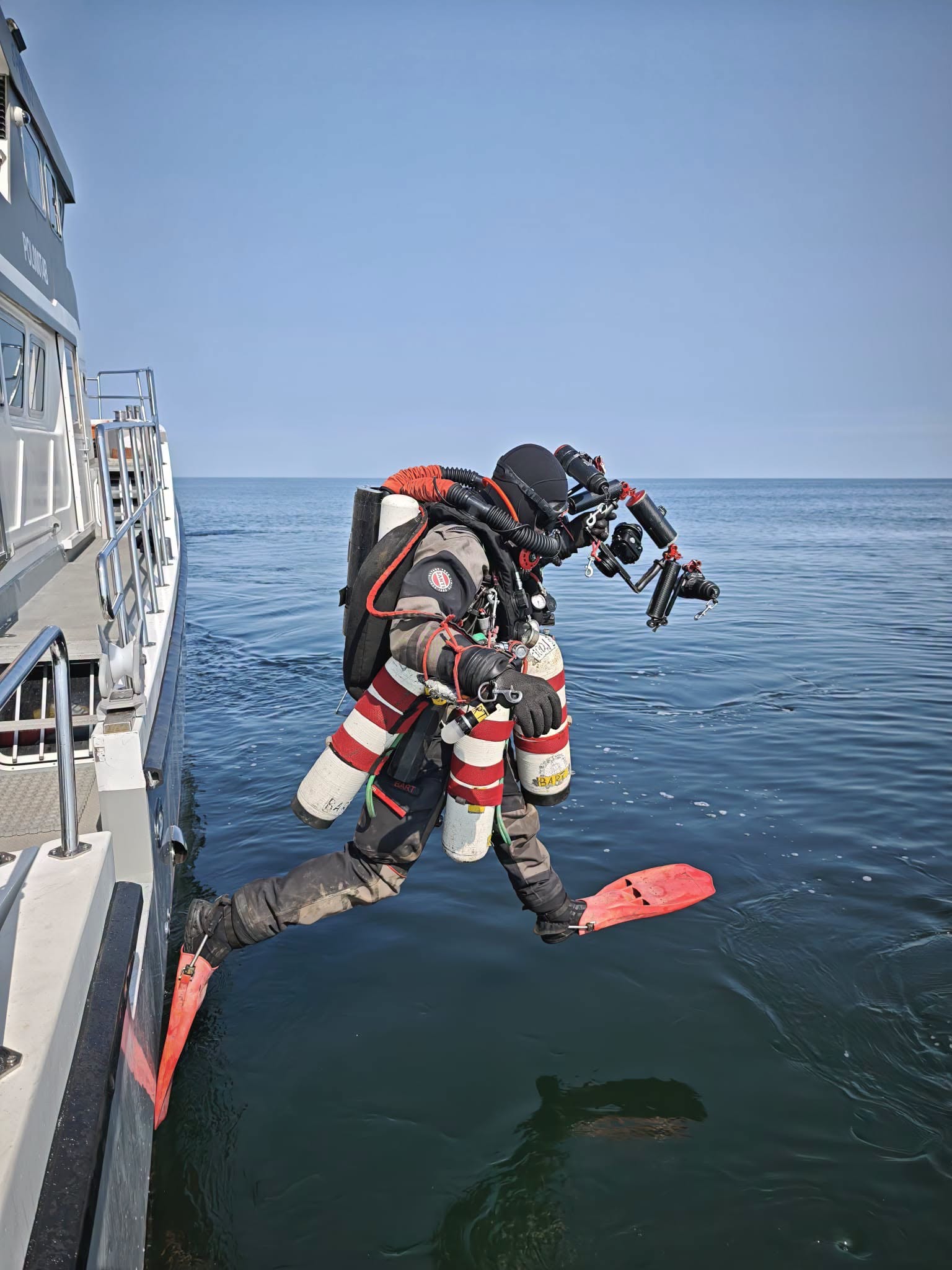
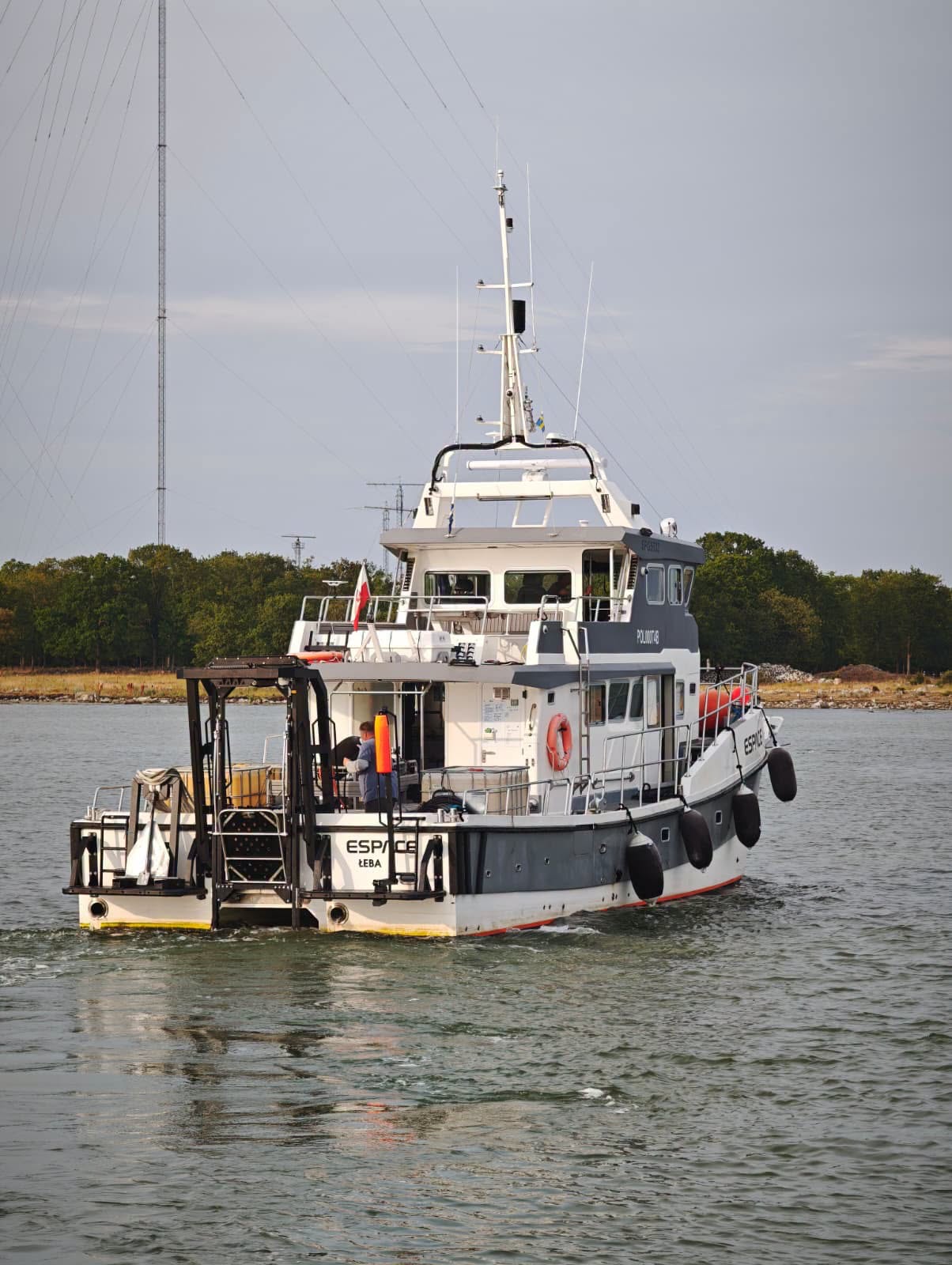
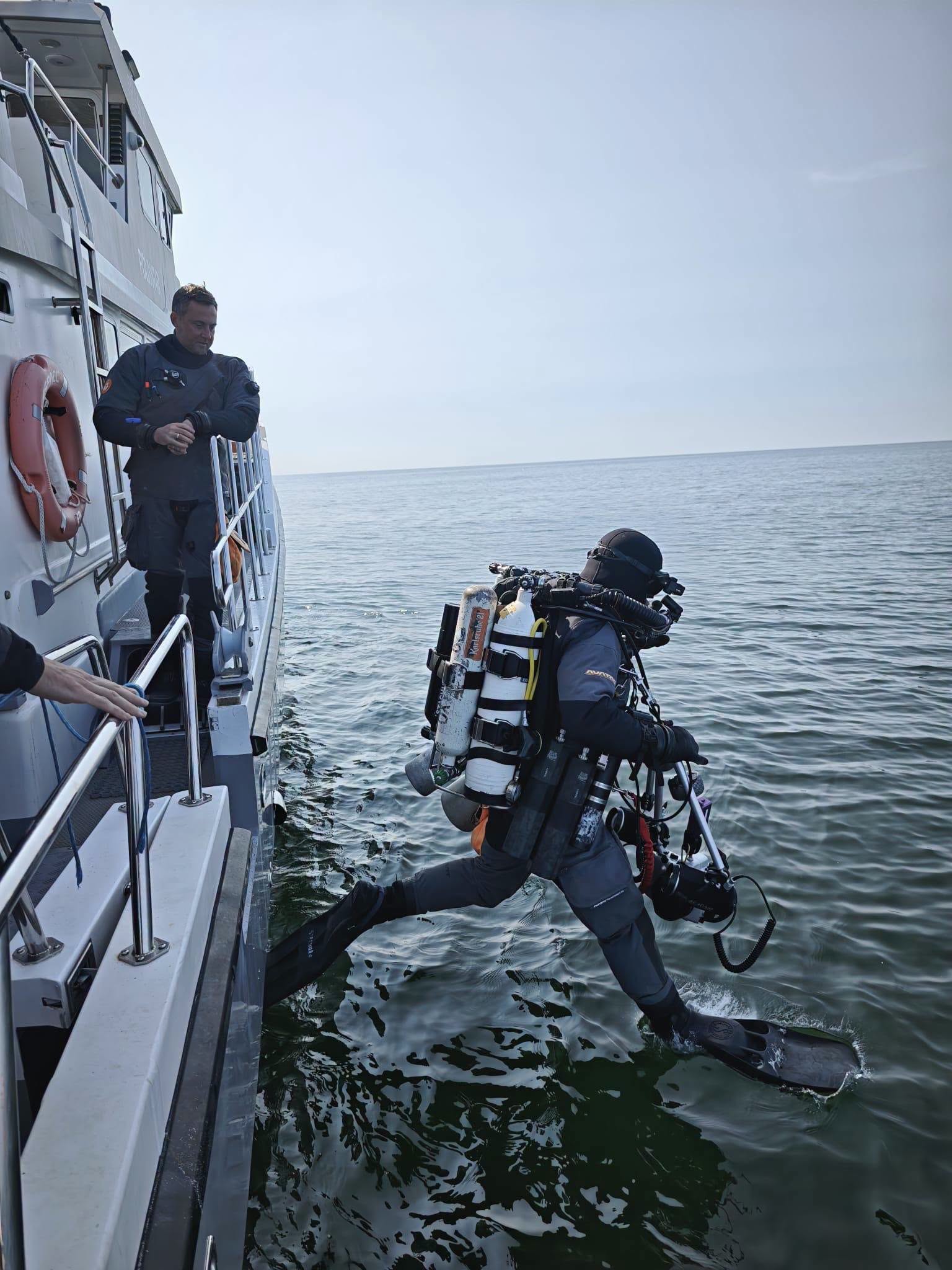
We had passed through the area several times before, but this year was different. For the first time, we organised an expedition with one main goal: GOTLAND. It had been on our wish list for years, and it was absolutely worth the wait.
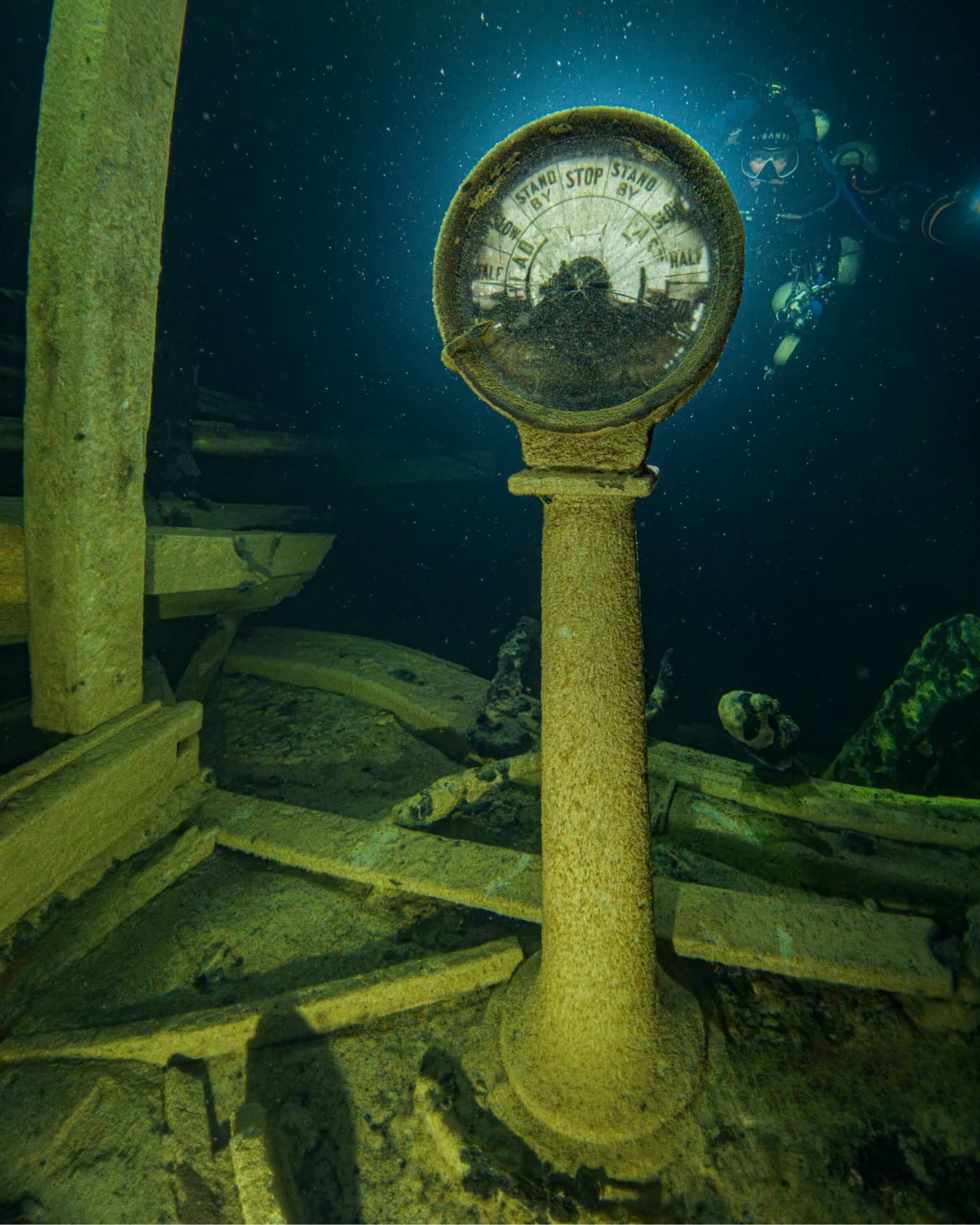
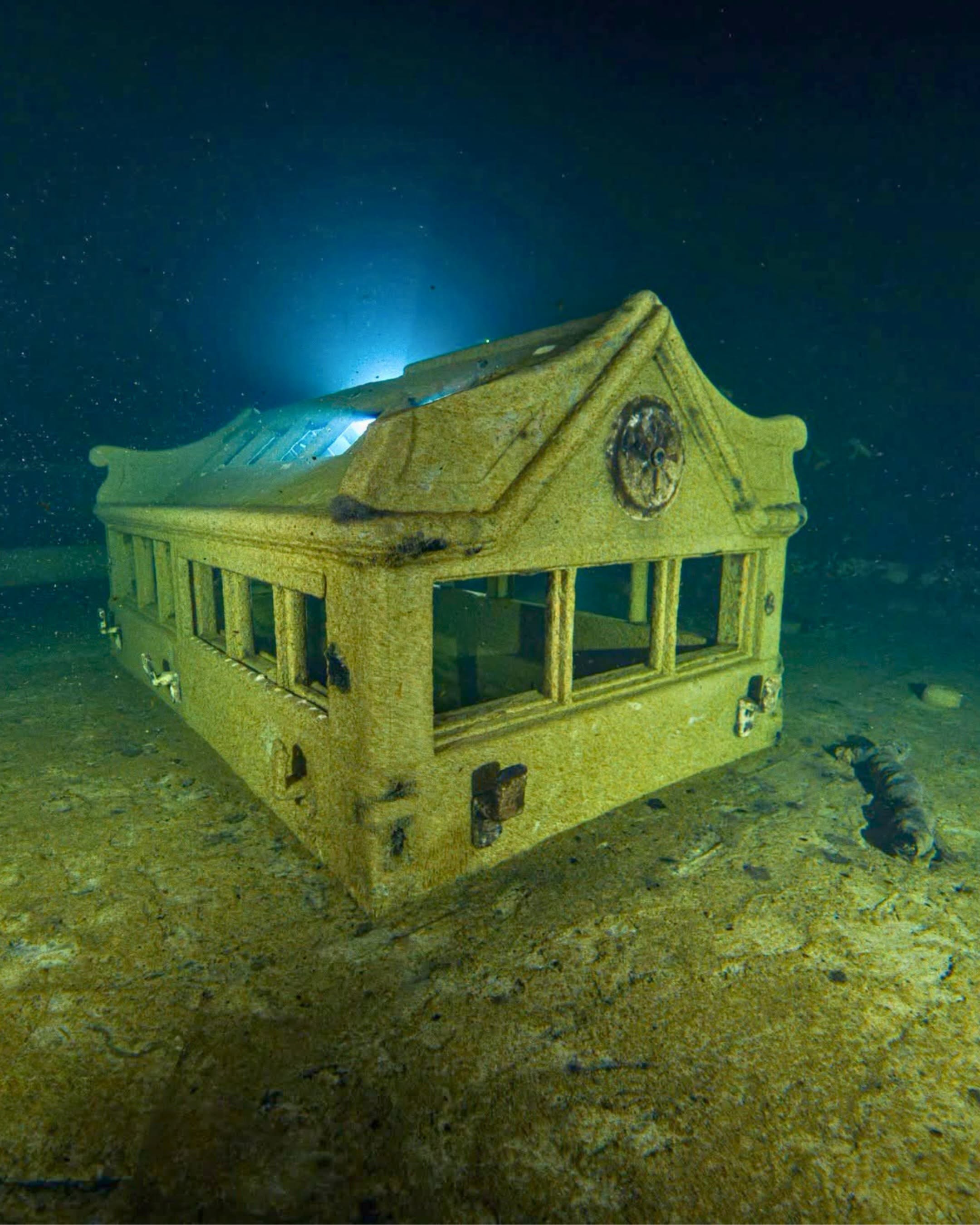
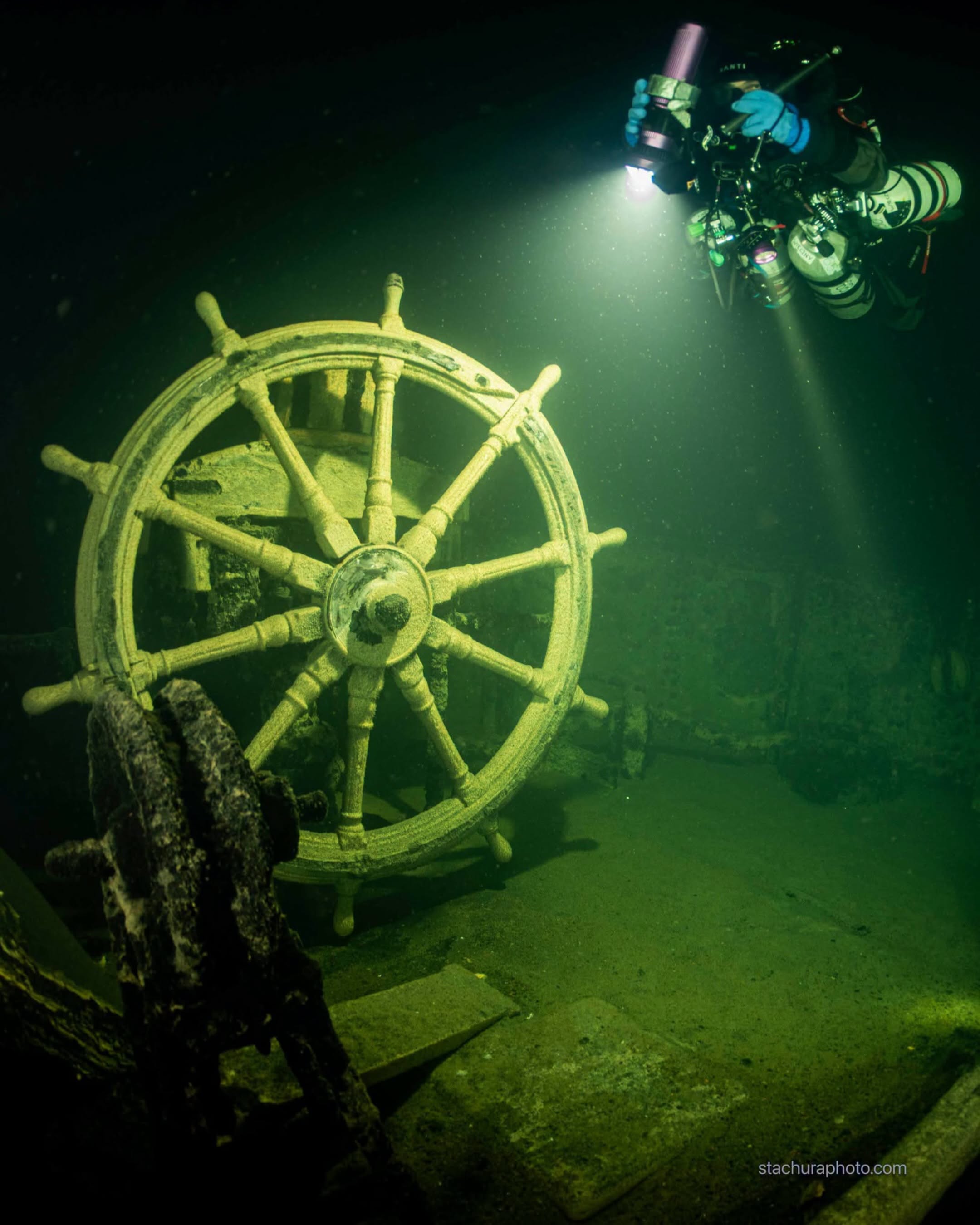
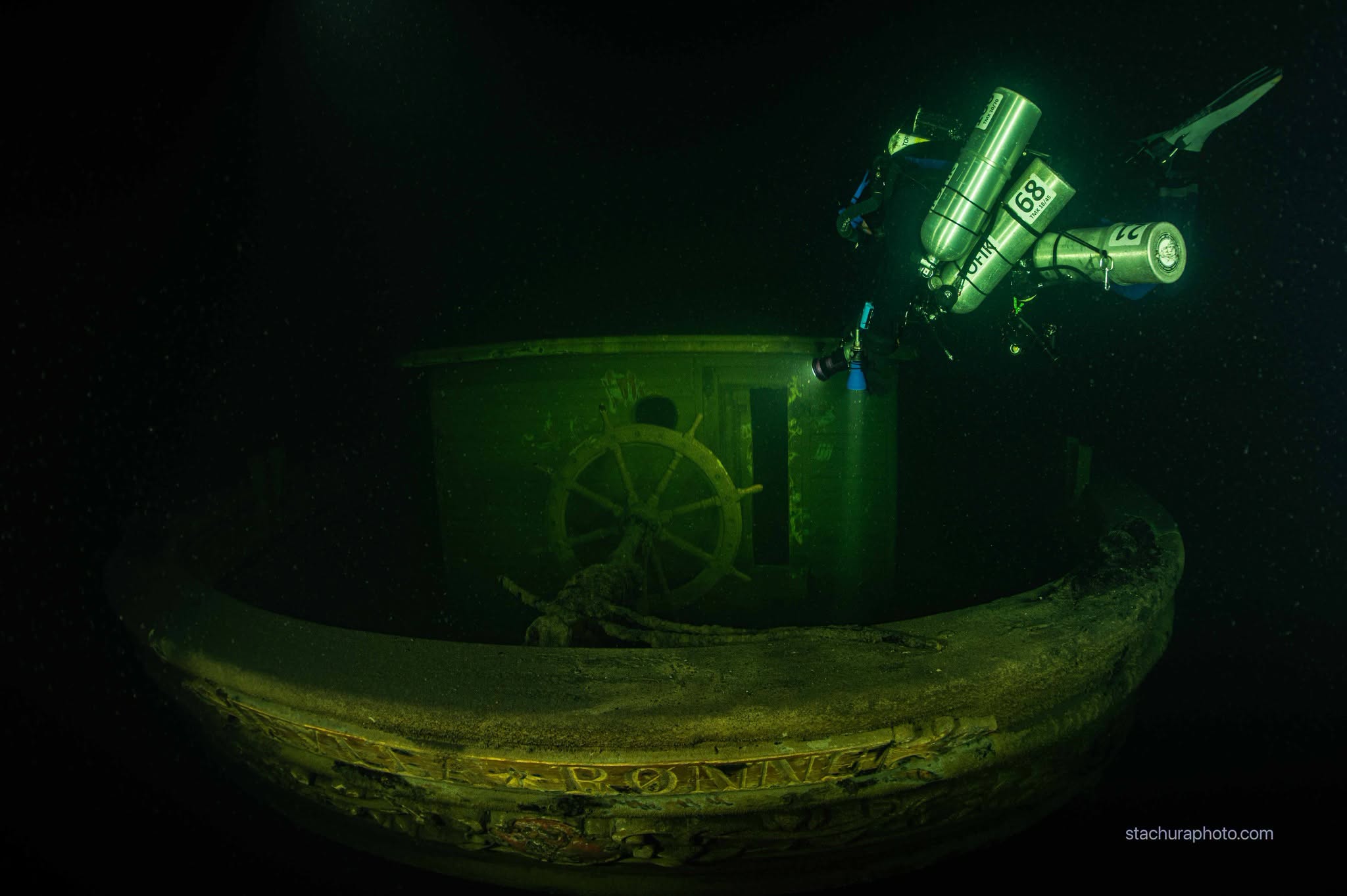
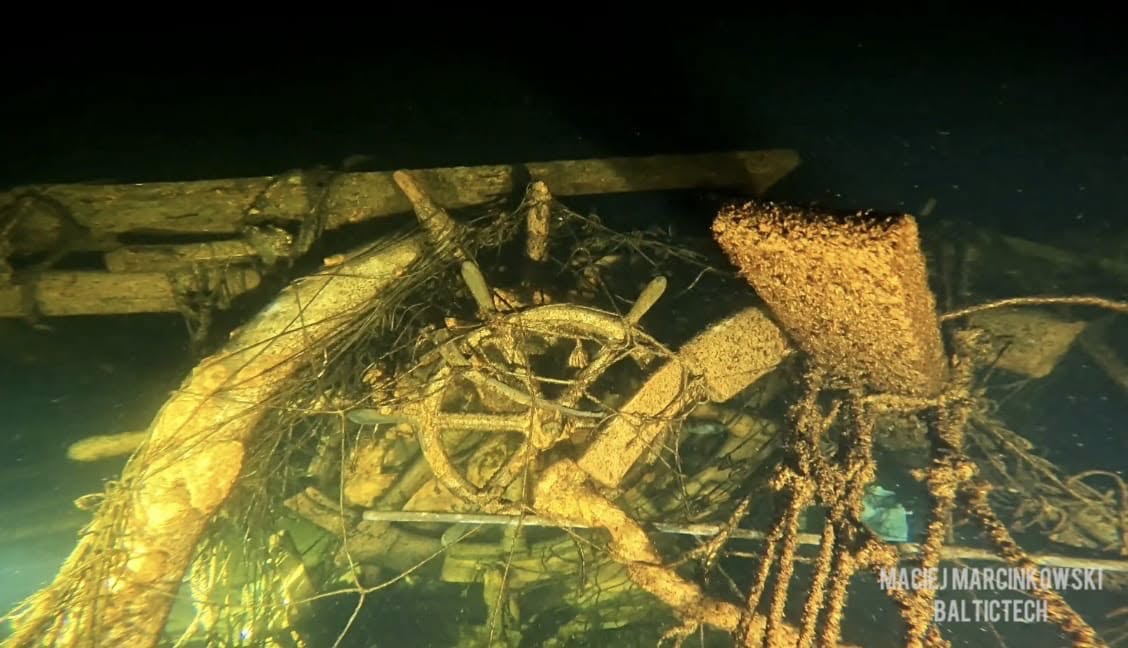
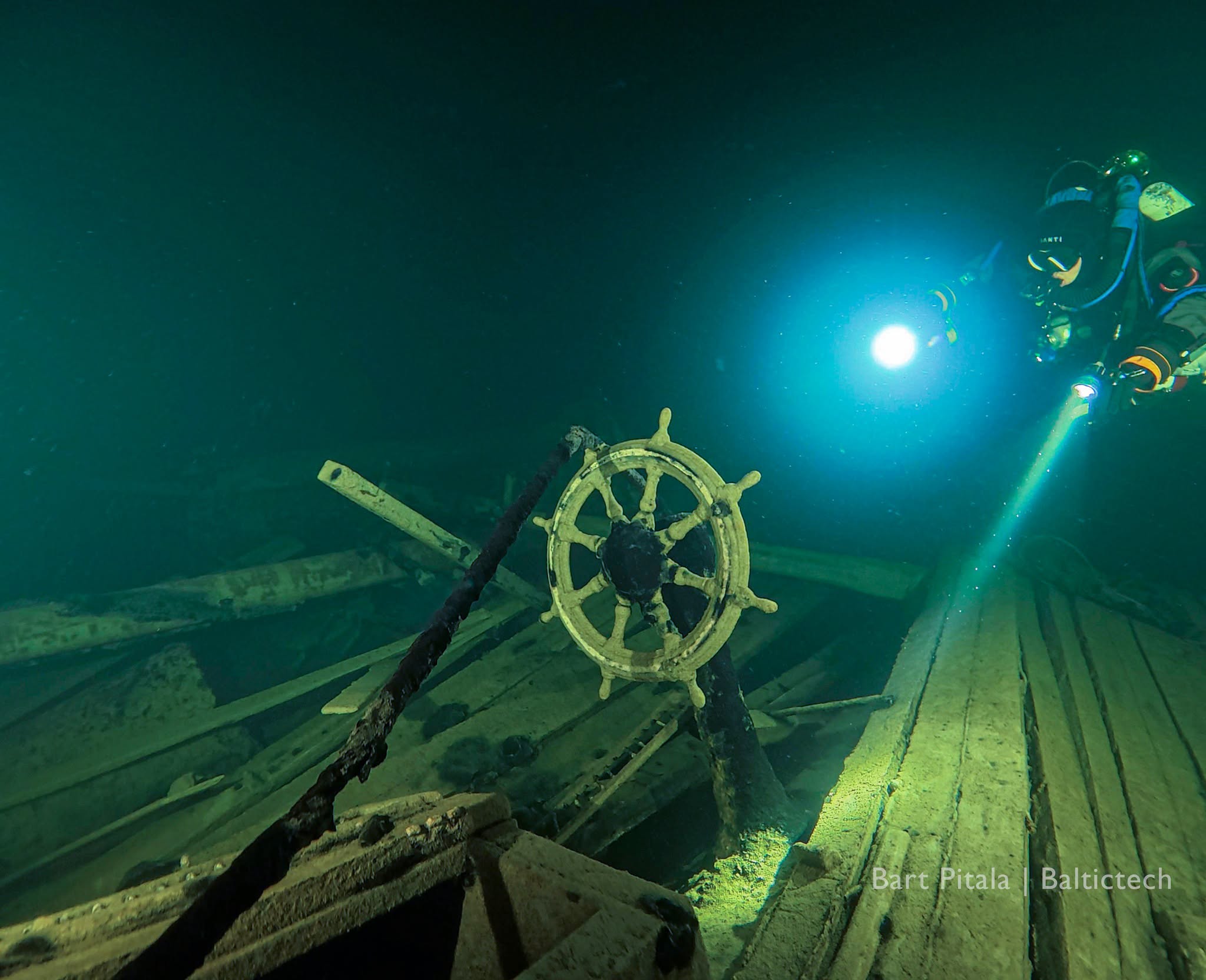
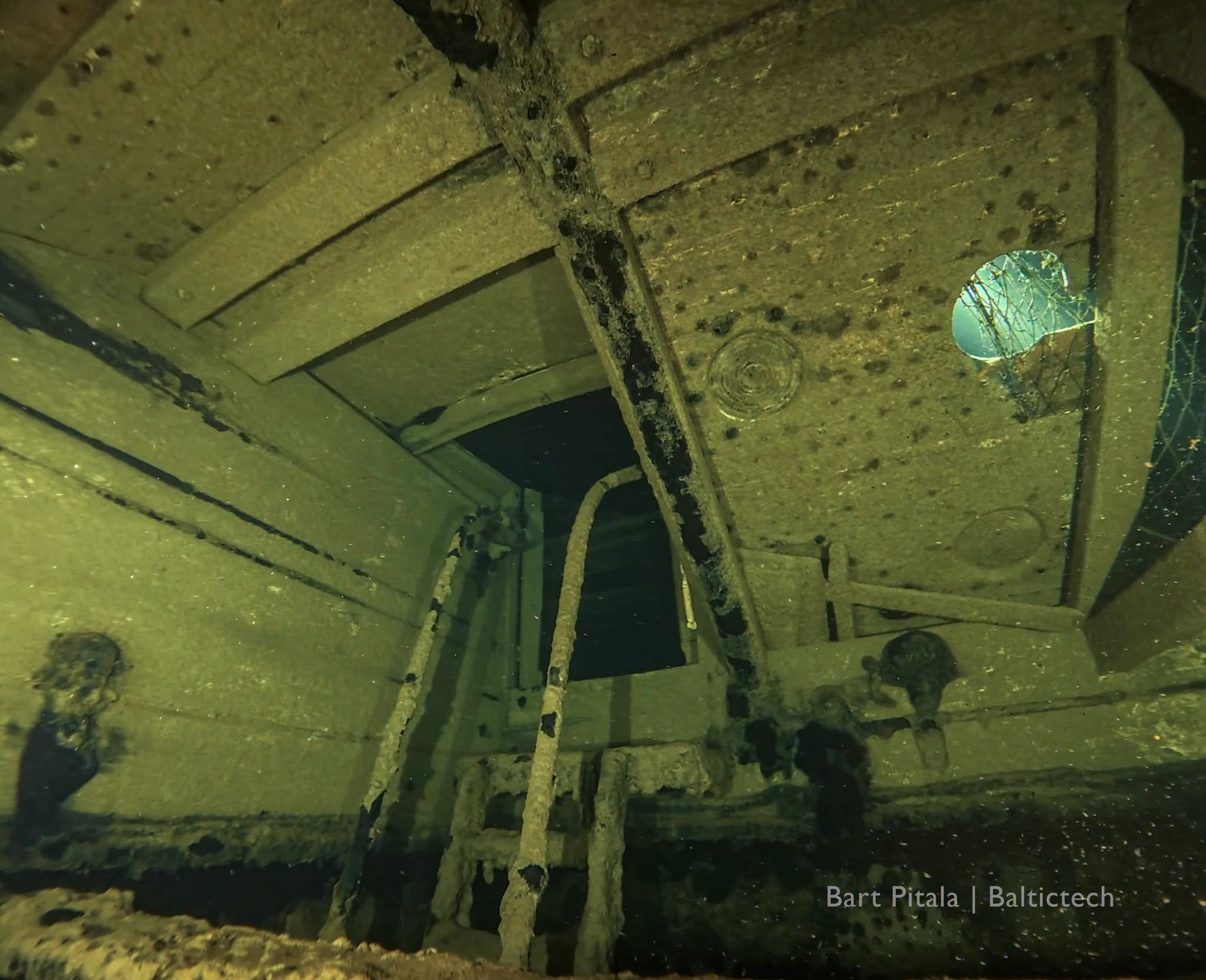
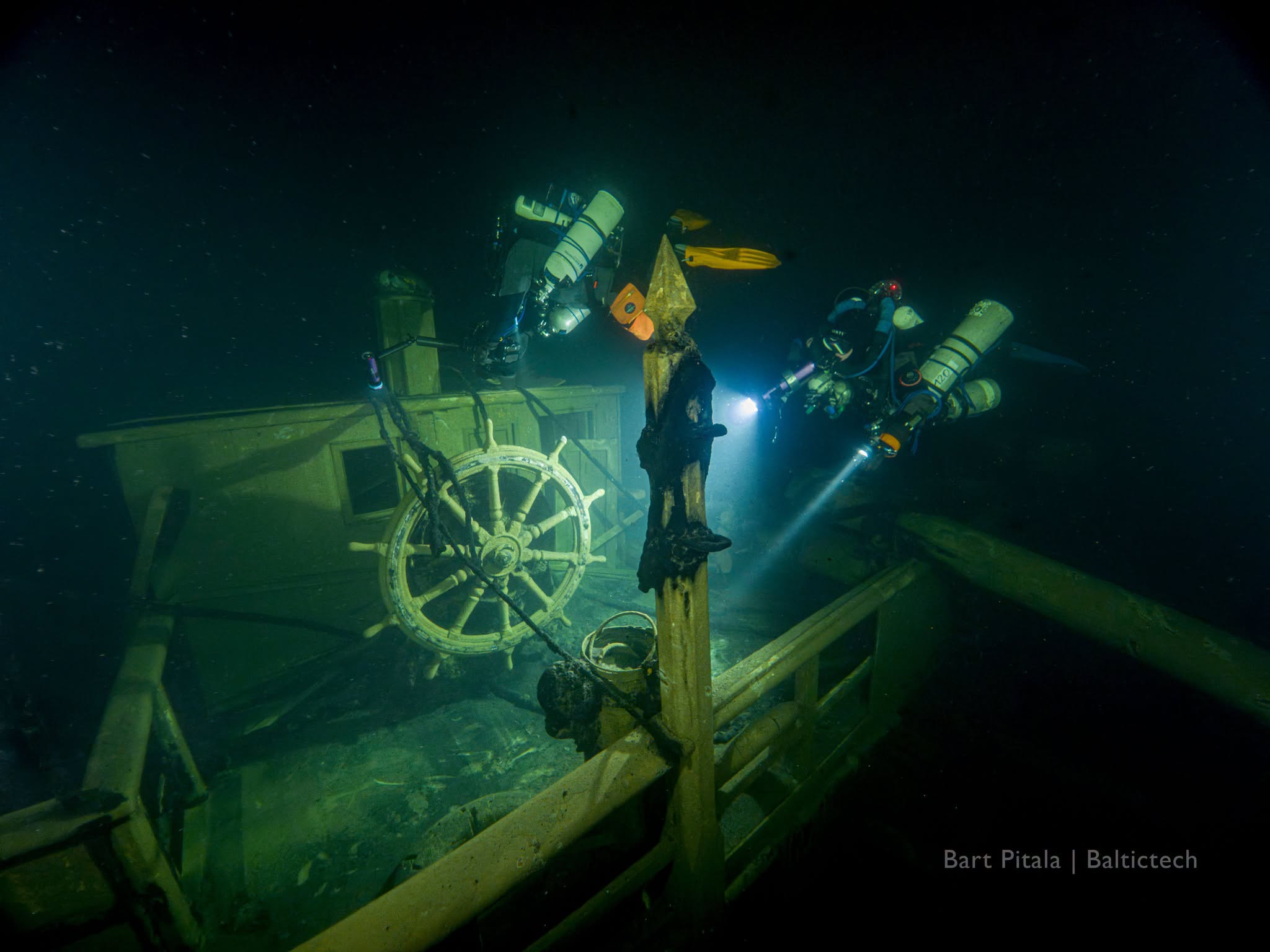
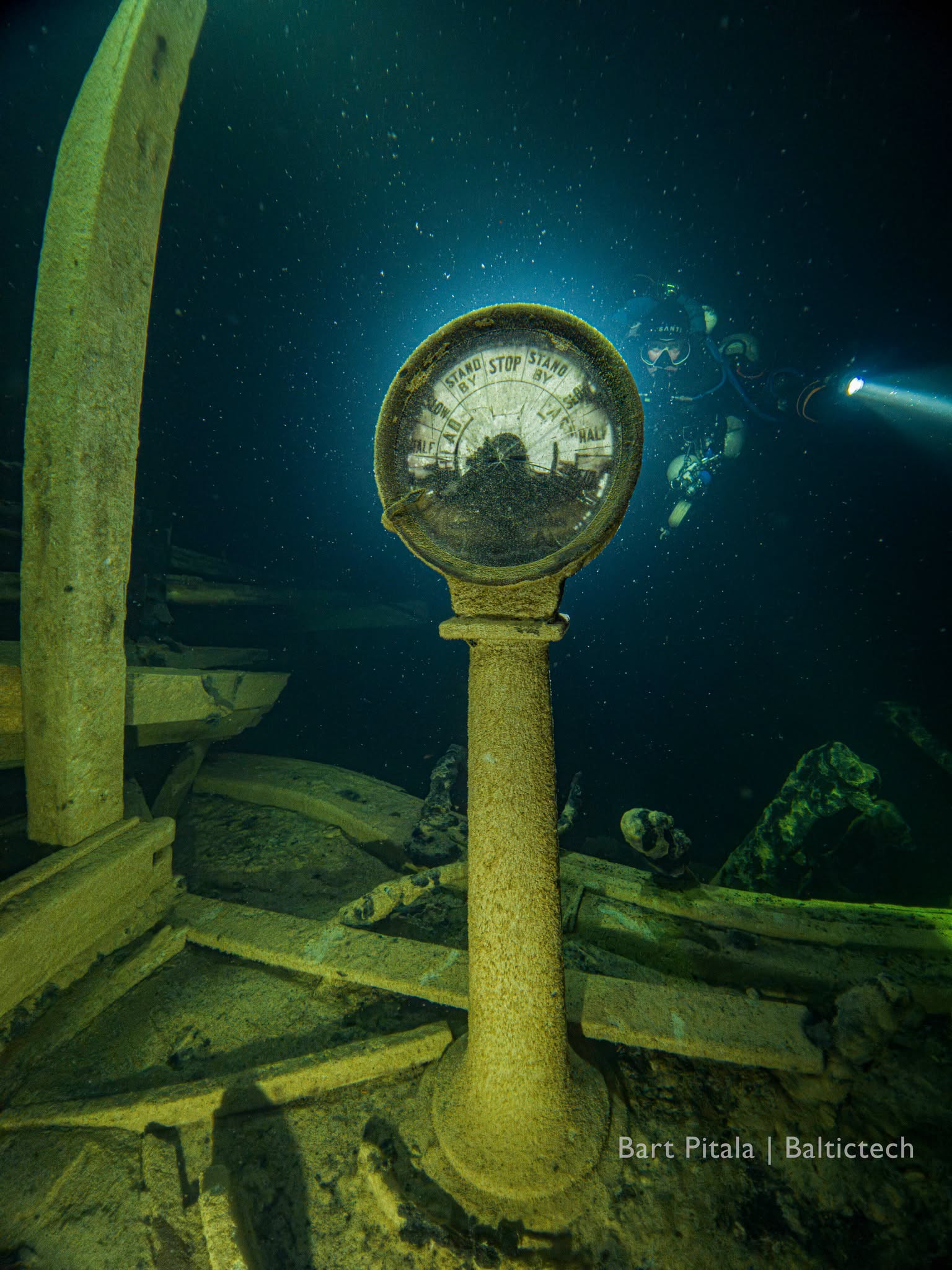
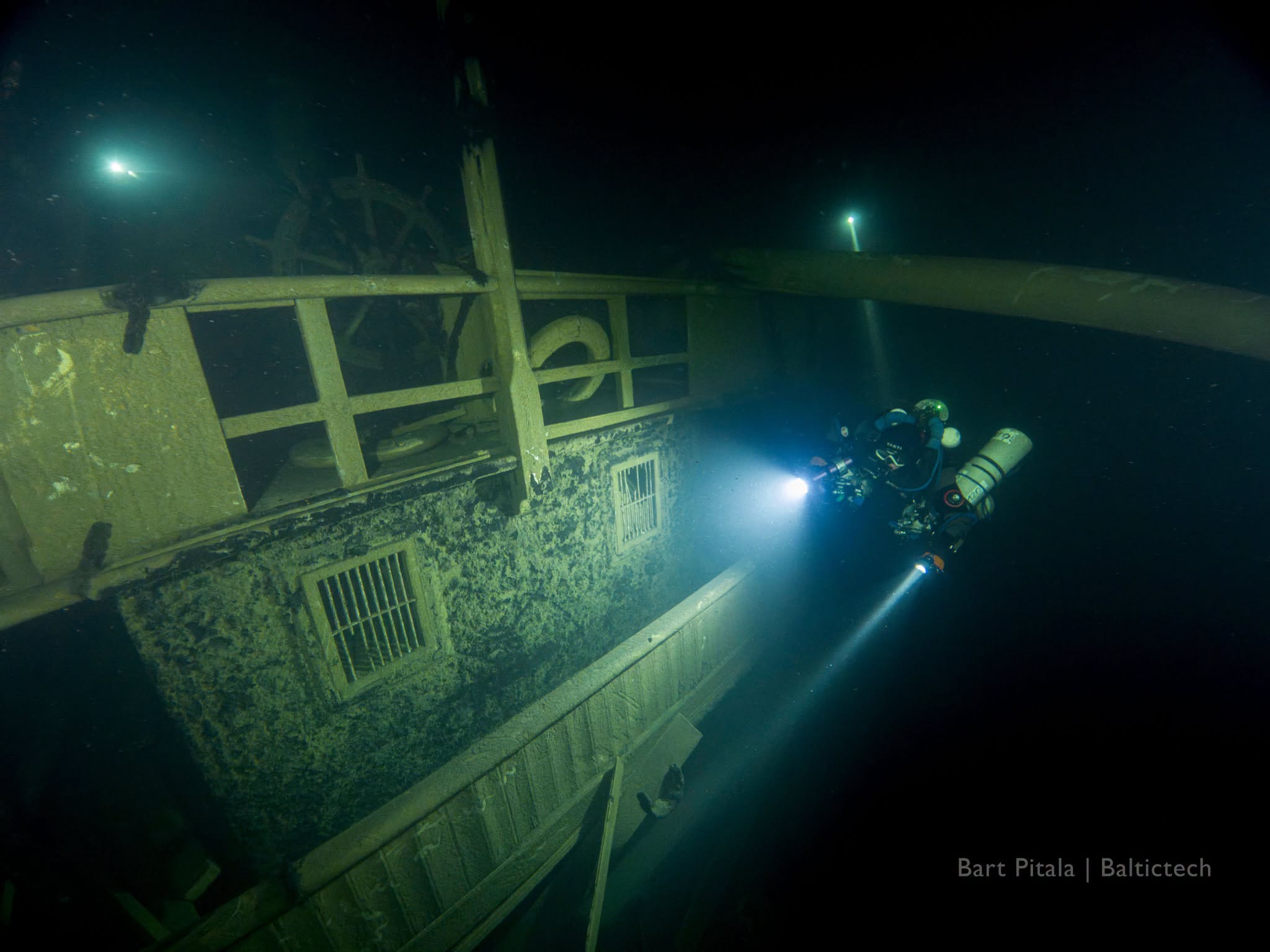
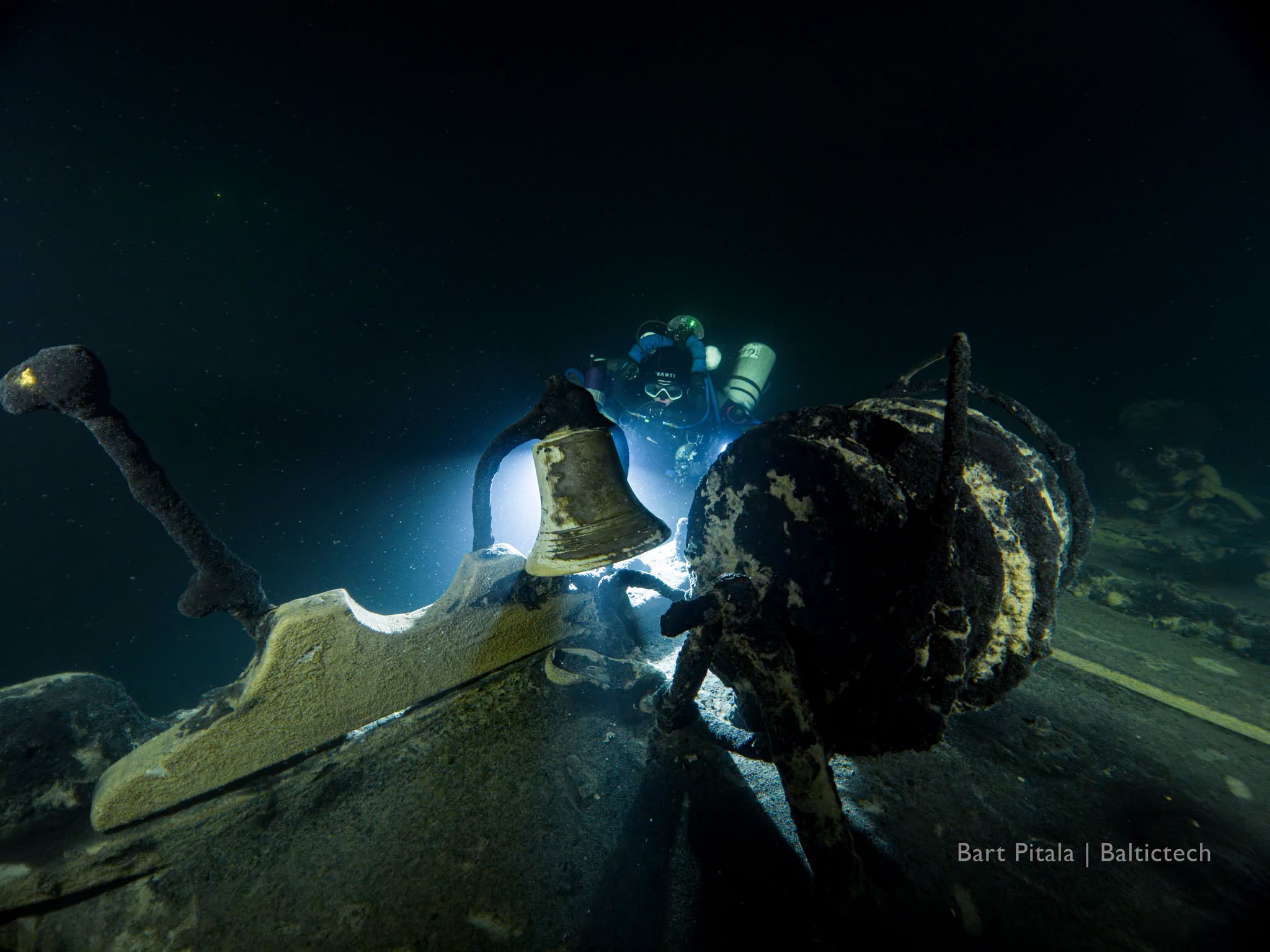
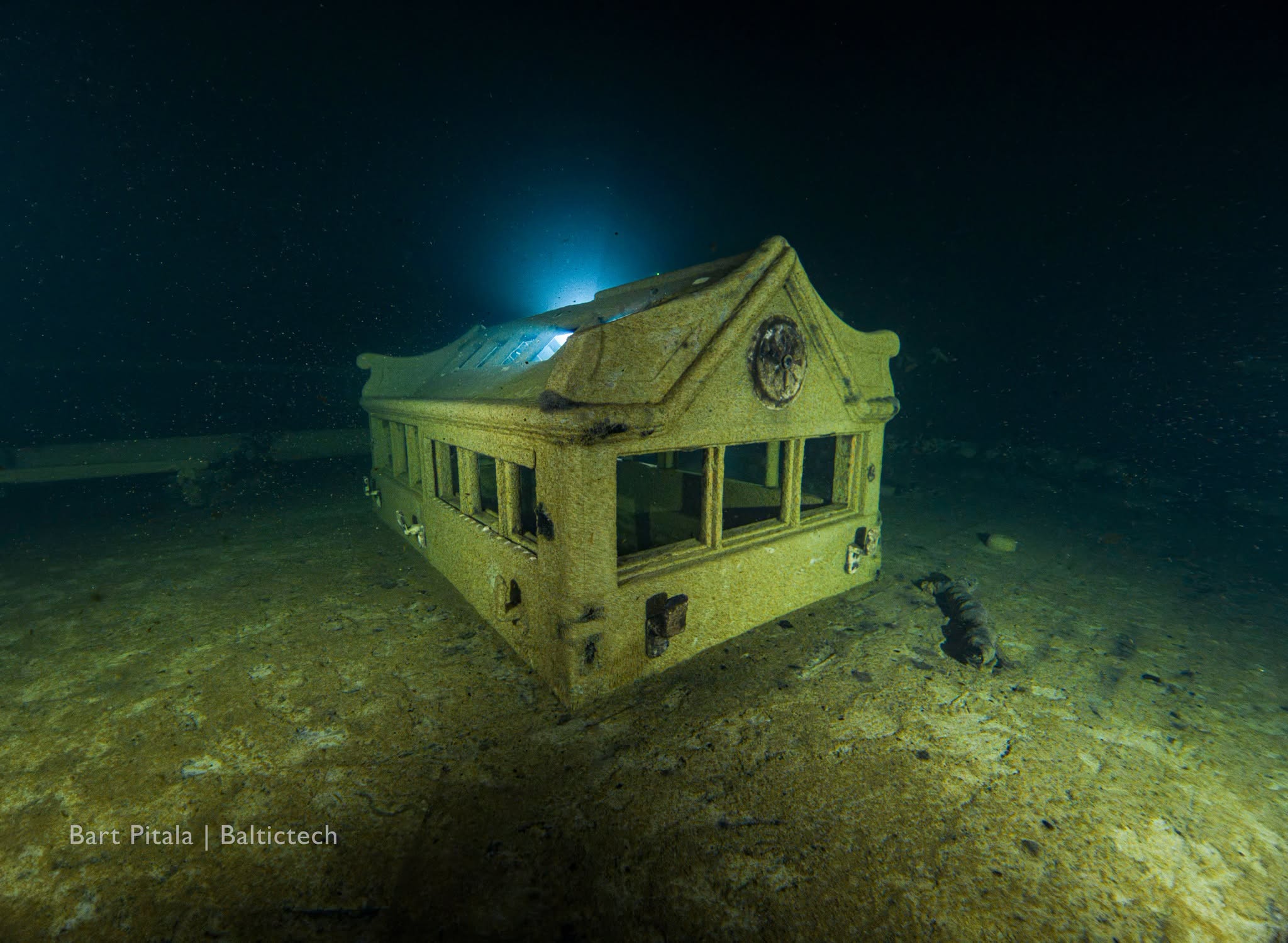
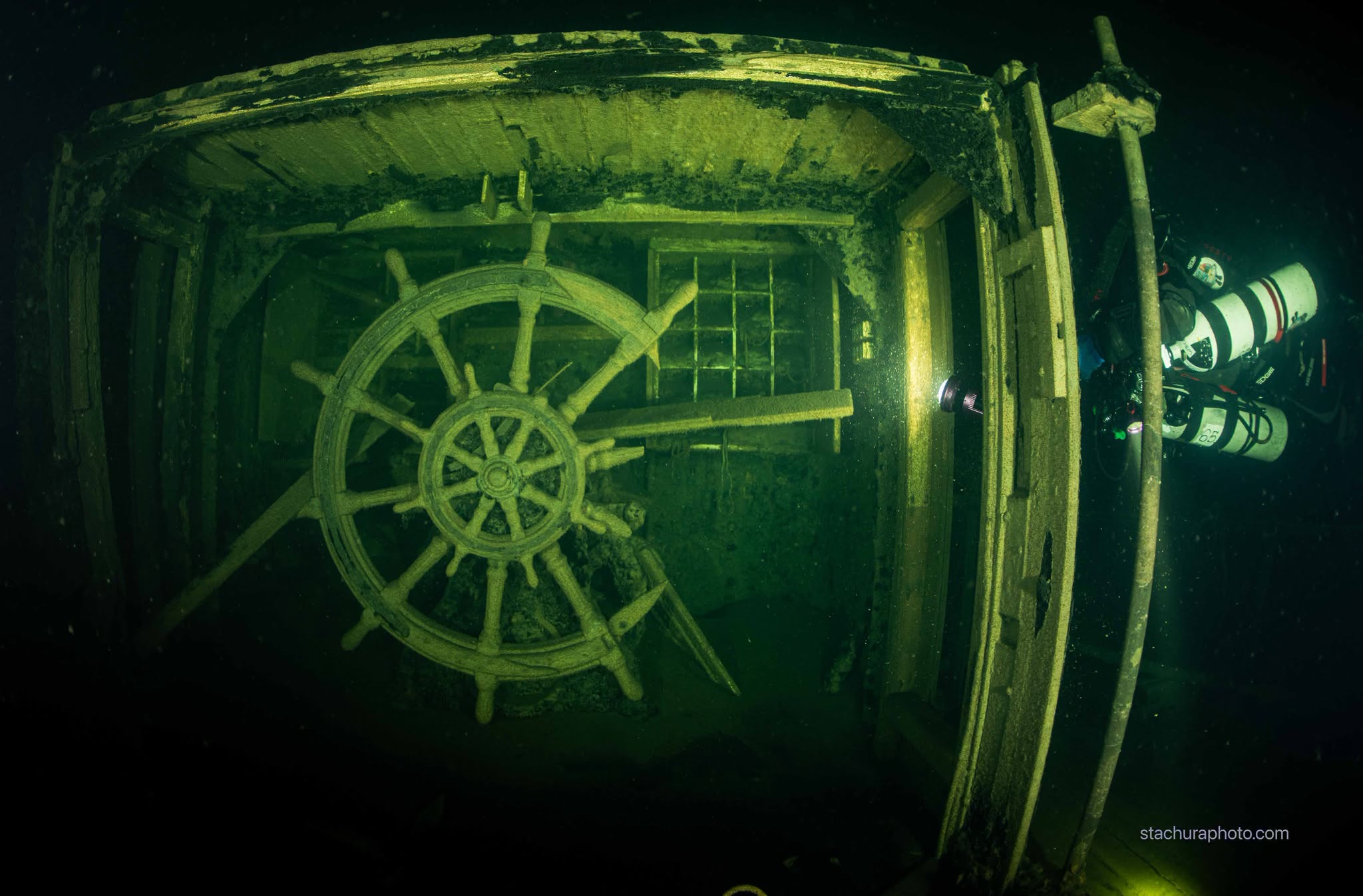
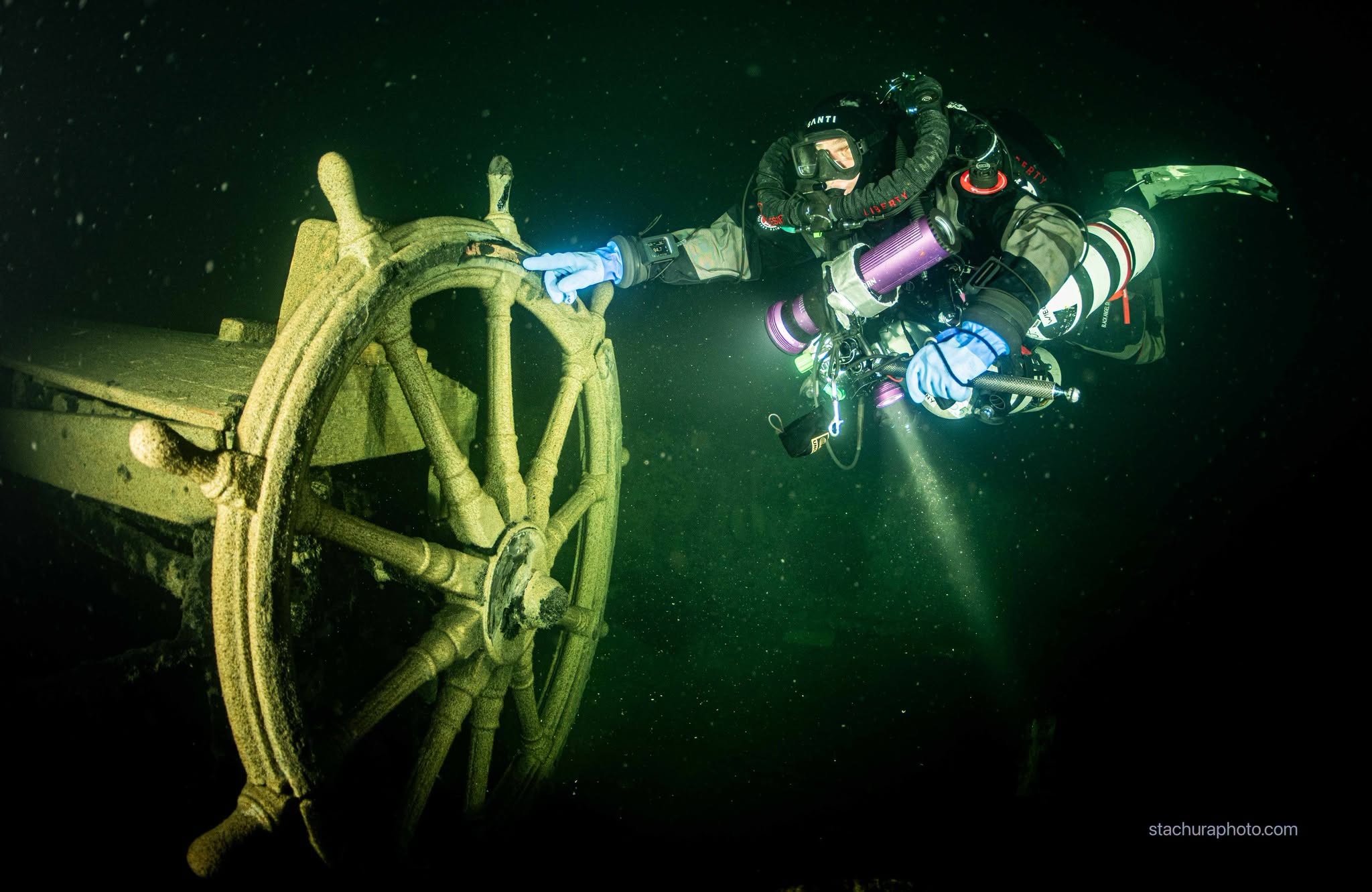
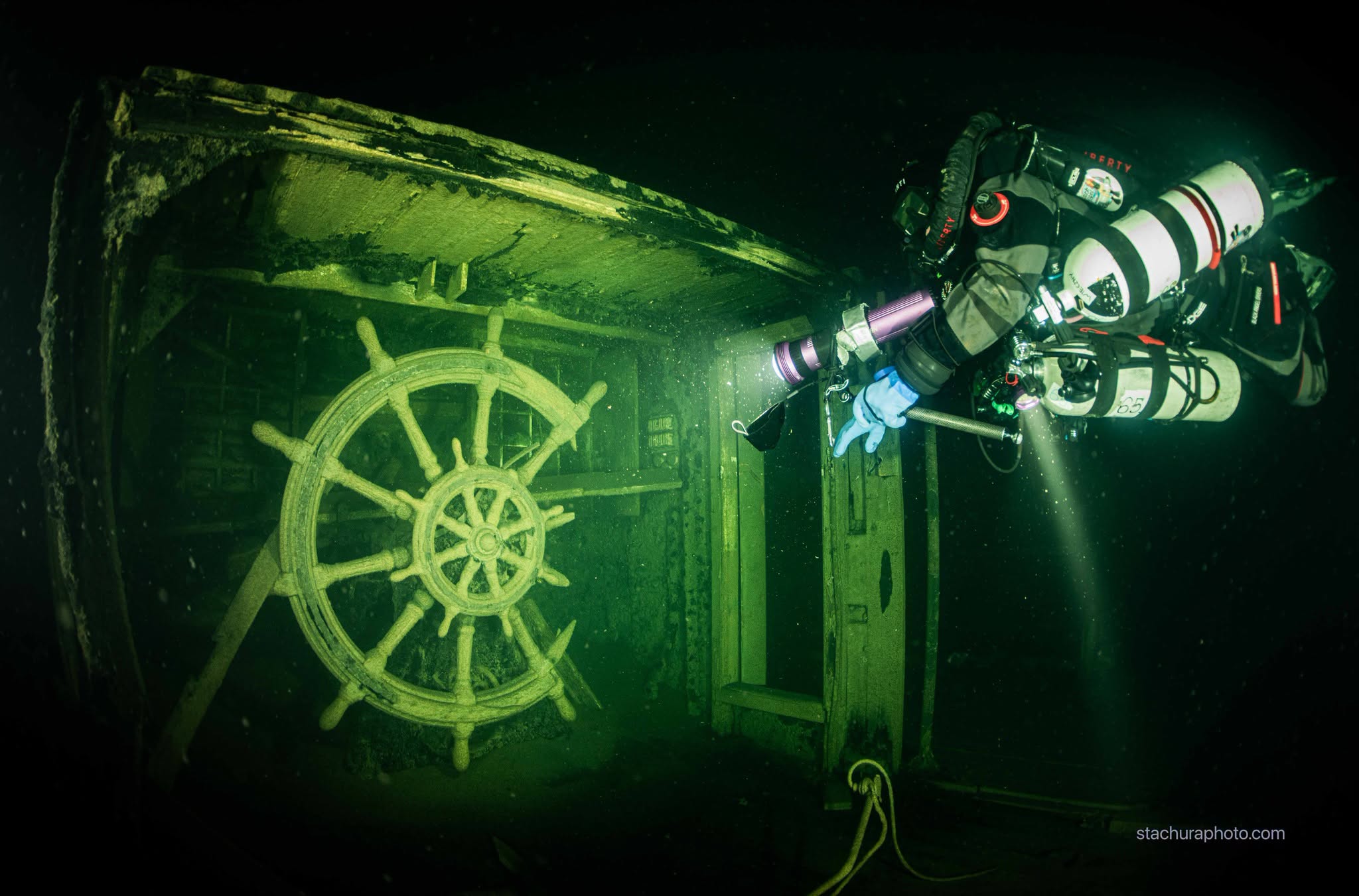
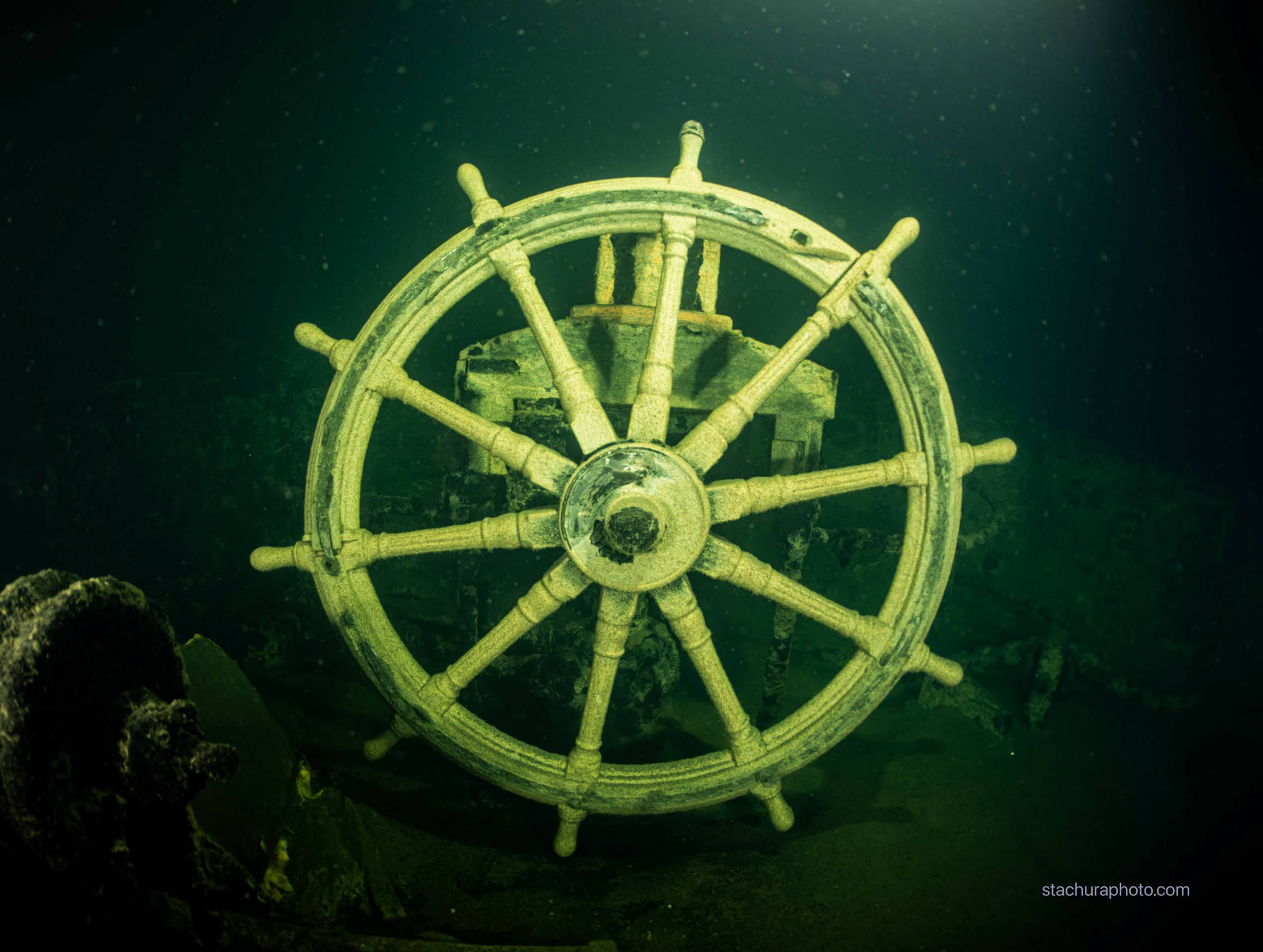
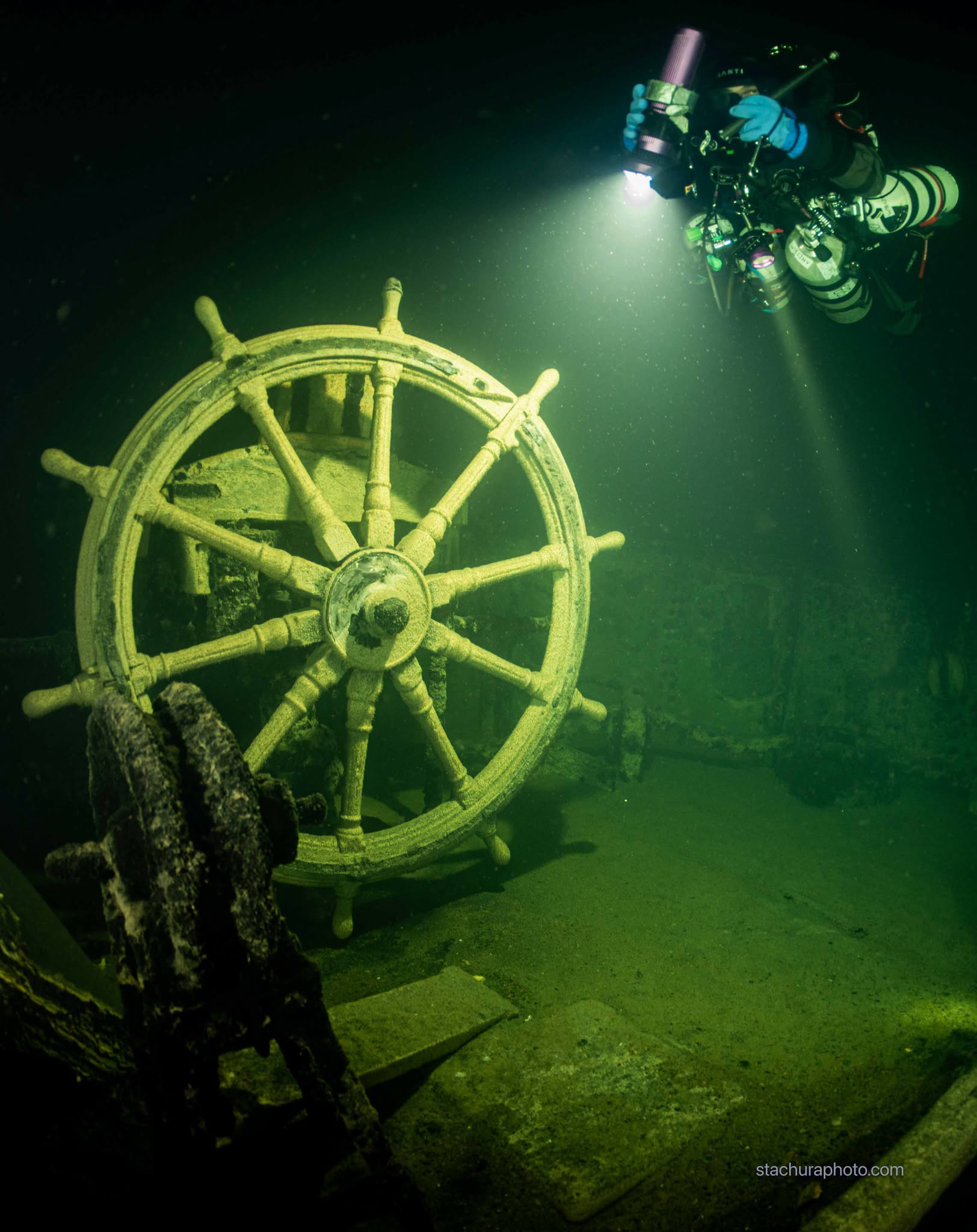
The Baltic Sea is a true underwater museum. At depths between 75 and 106 metres, we encountered wrecks preserved in remarkable condition. Bells, engine telegraphs, steering wheels and other original equipment are still in place. Diving there gives you the extraordinary feeling that time simply stopped on the day each ship went down.
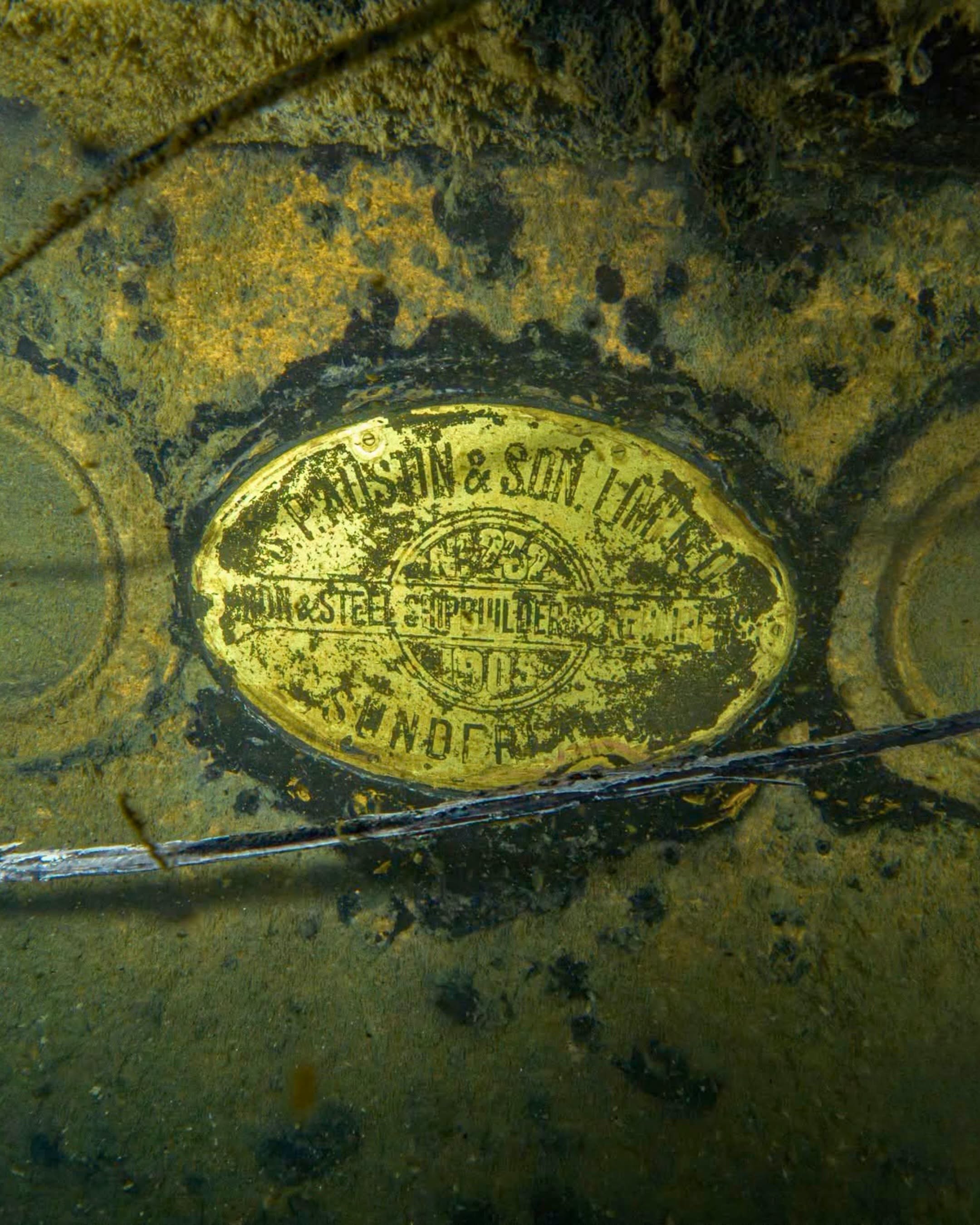
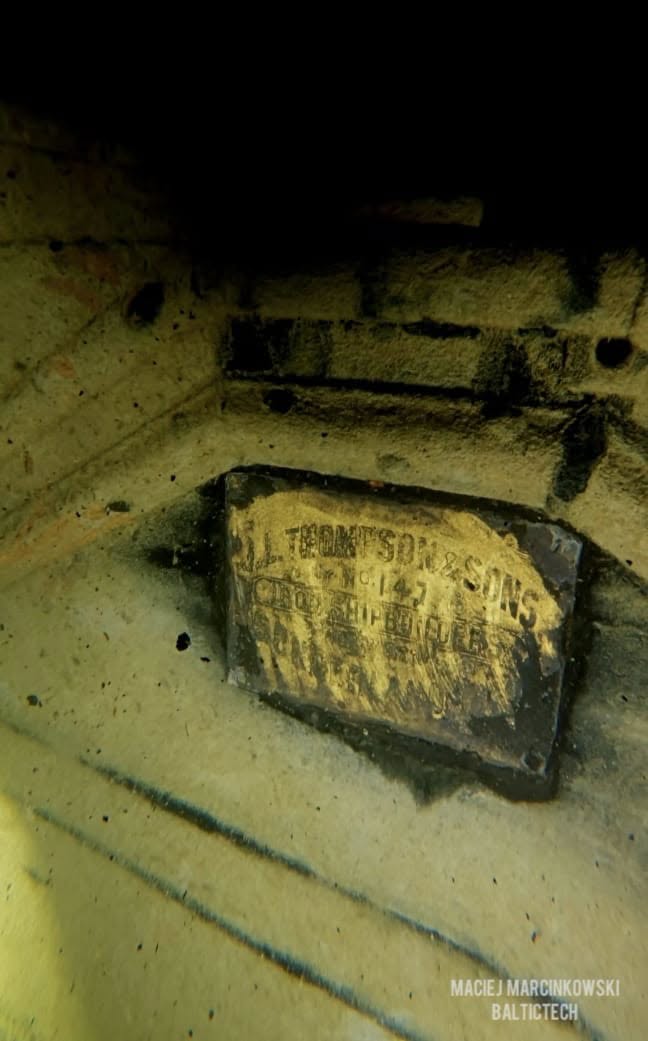
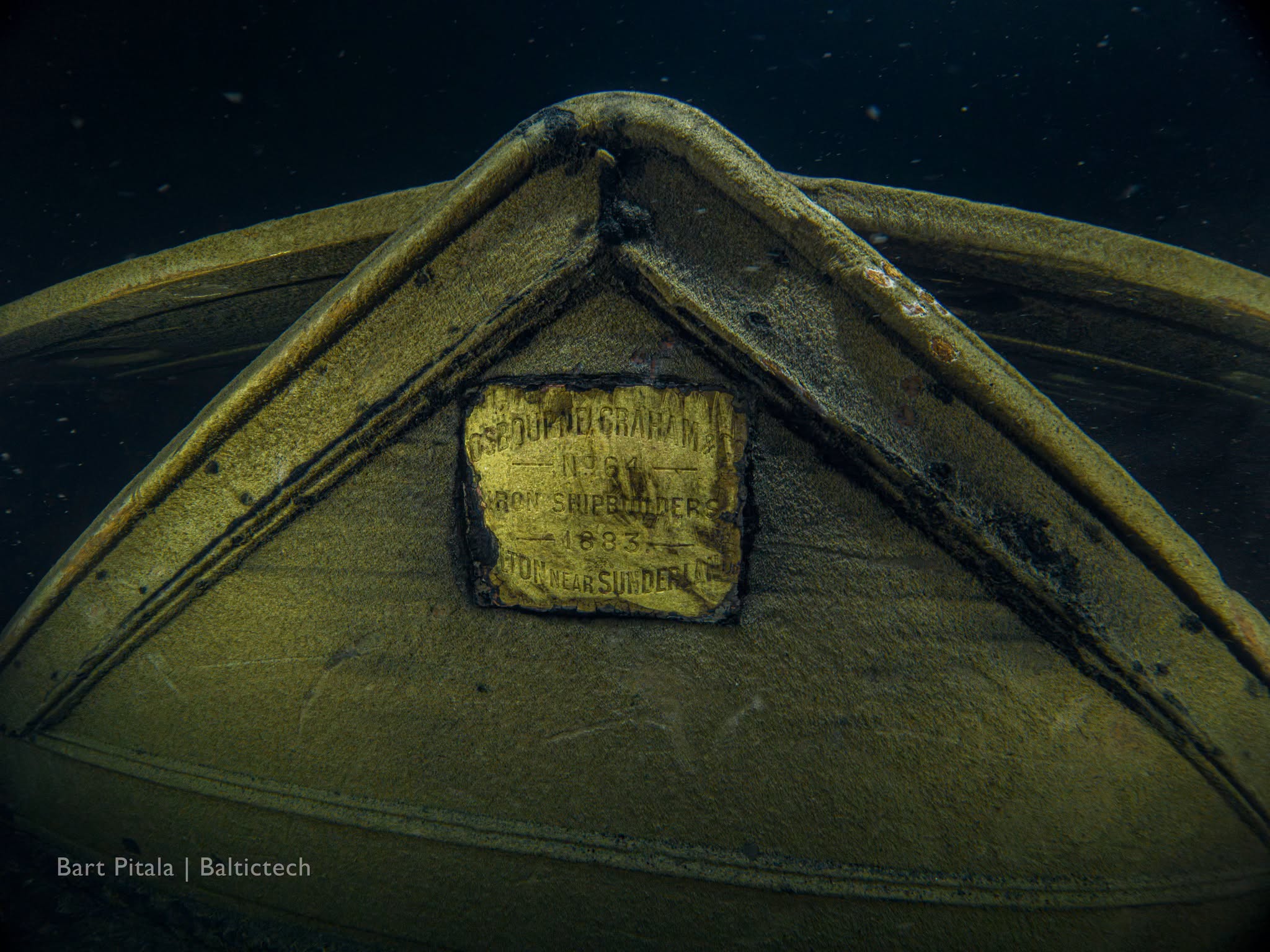
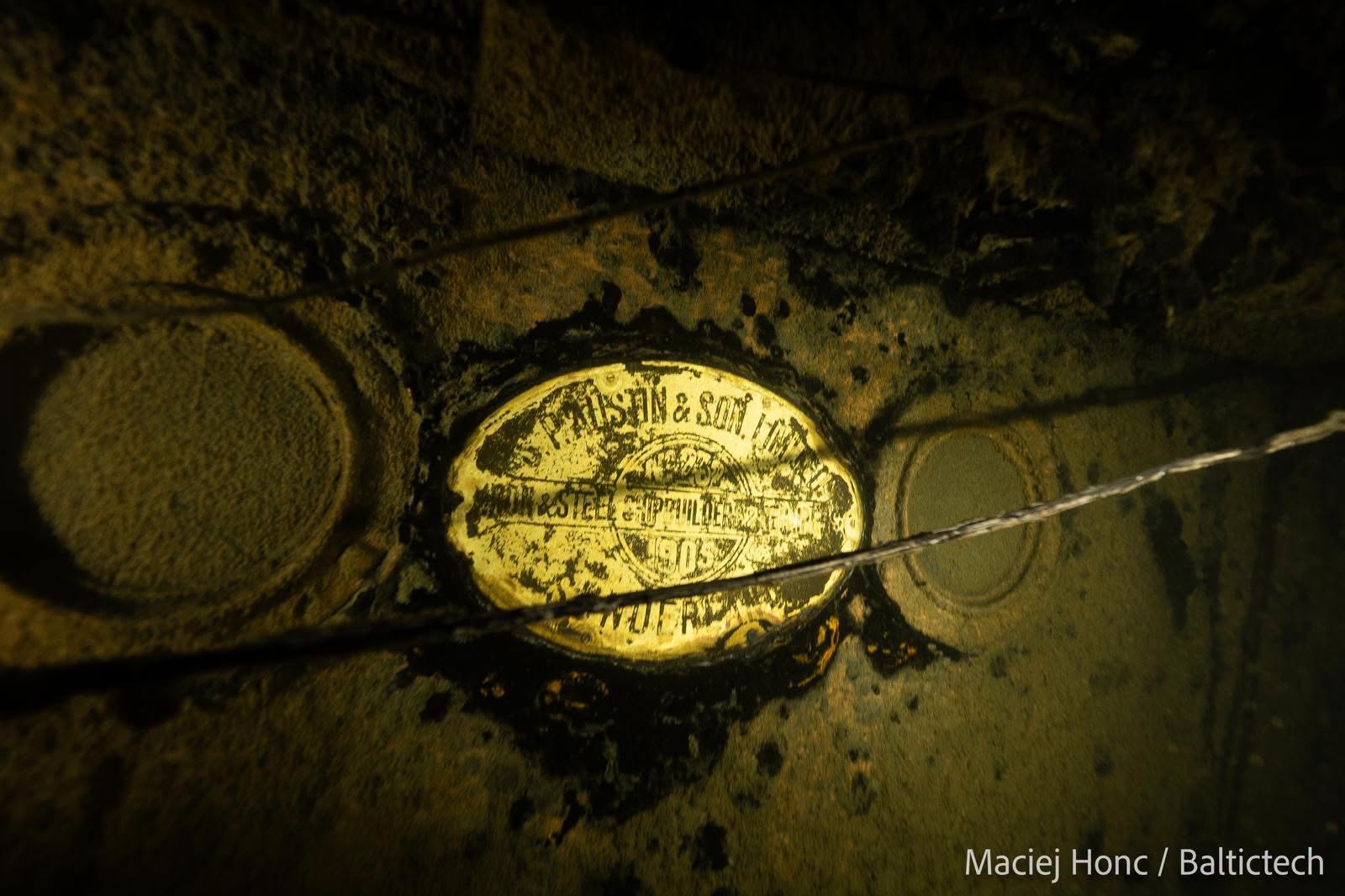
During the expedition, we explored four deep steamships, and the discovery of shipyard identification plates allowed us to identify the wrecks with certainty. Despite the challenging depths, we also returned with a large collection of photographs and documentation.
Fylla of Rønne – the main goal of the expedition
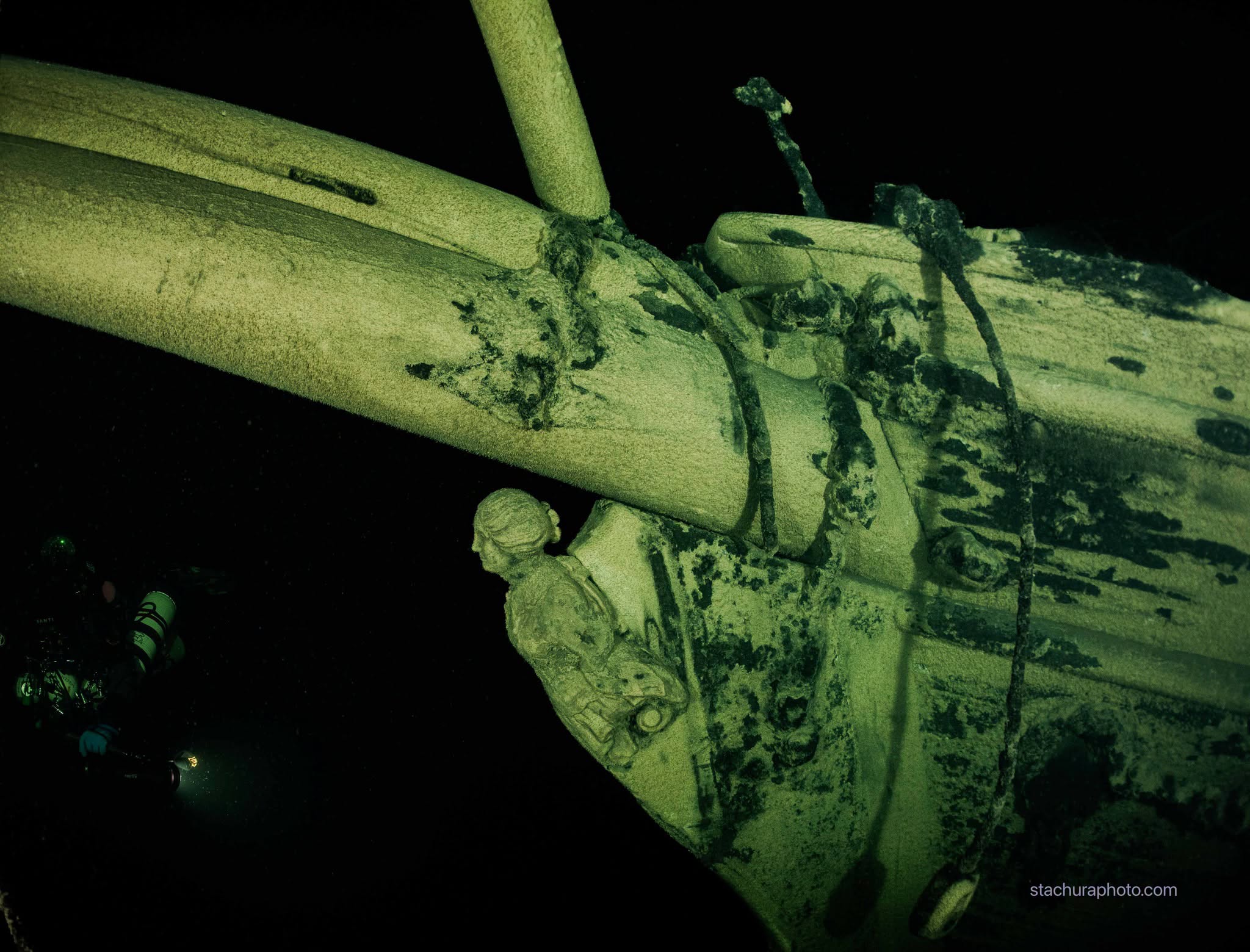
One wreck in particular had been on our minds for years: Fylla of Rønne, a beautifully preserved sailing ship resting at approximately 106 metres west of Gotland.
And what a wreck it is.
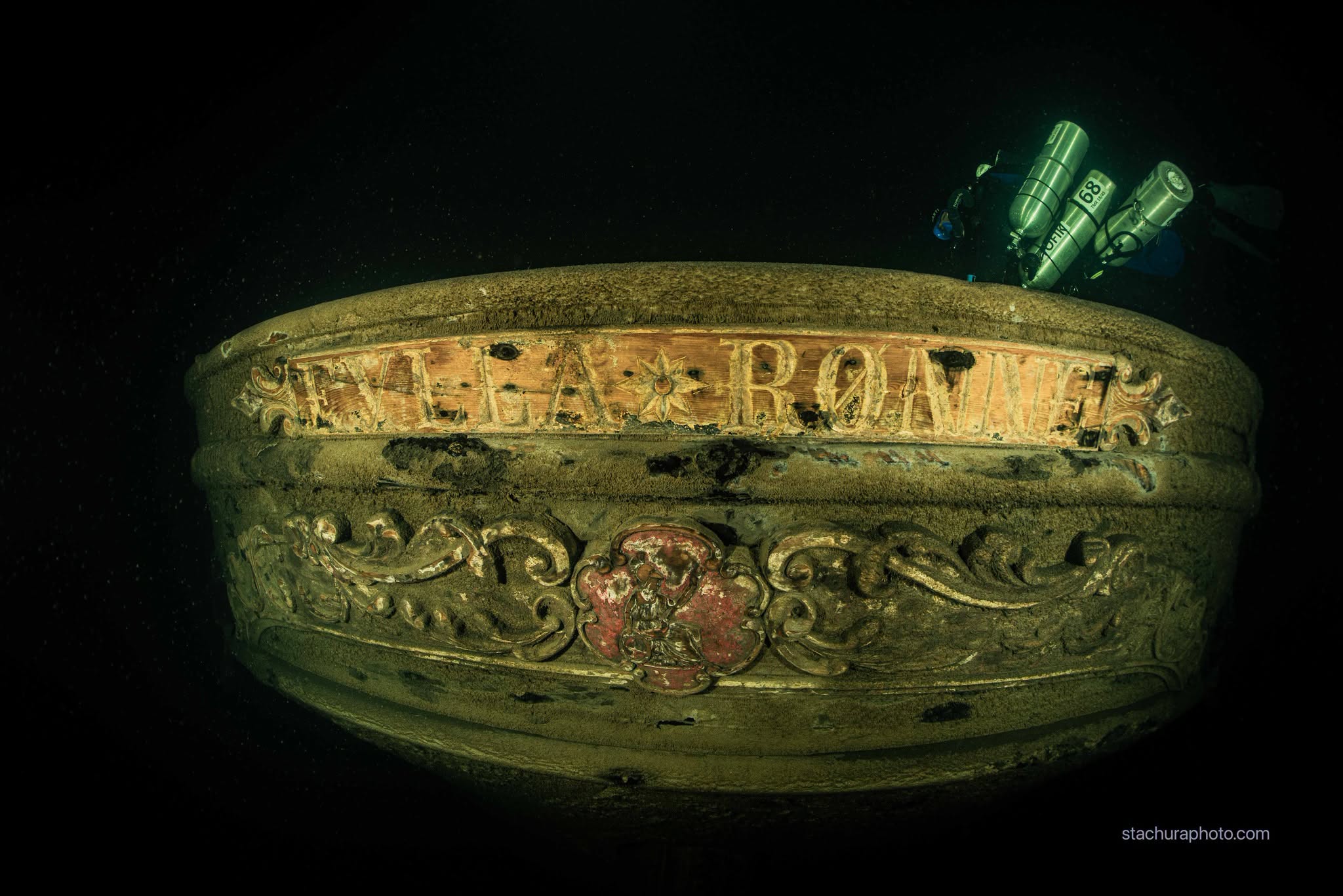
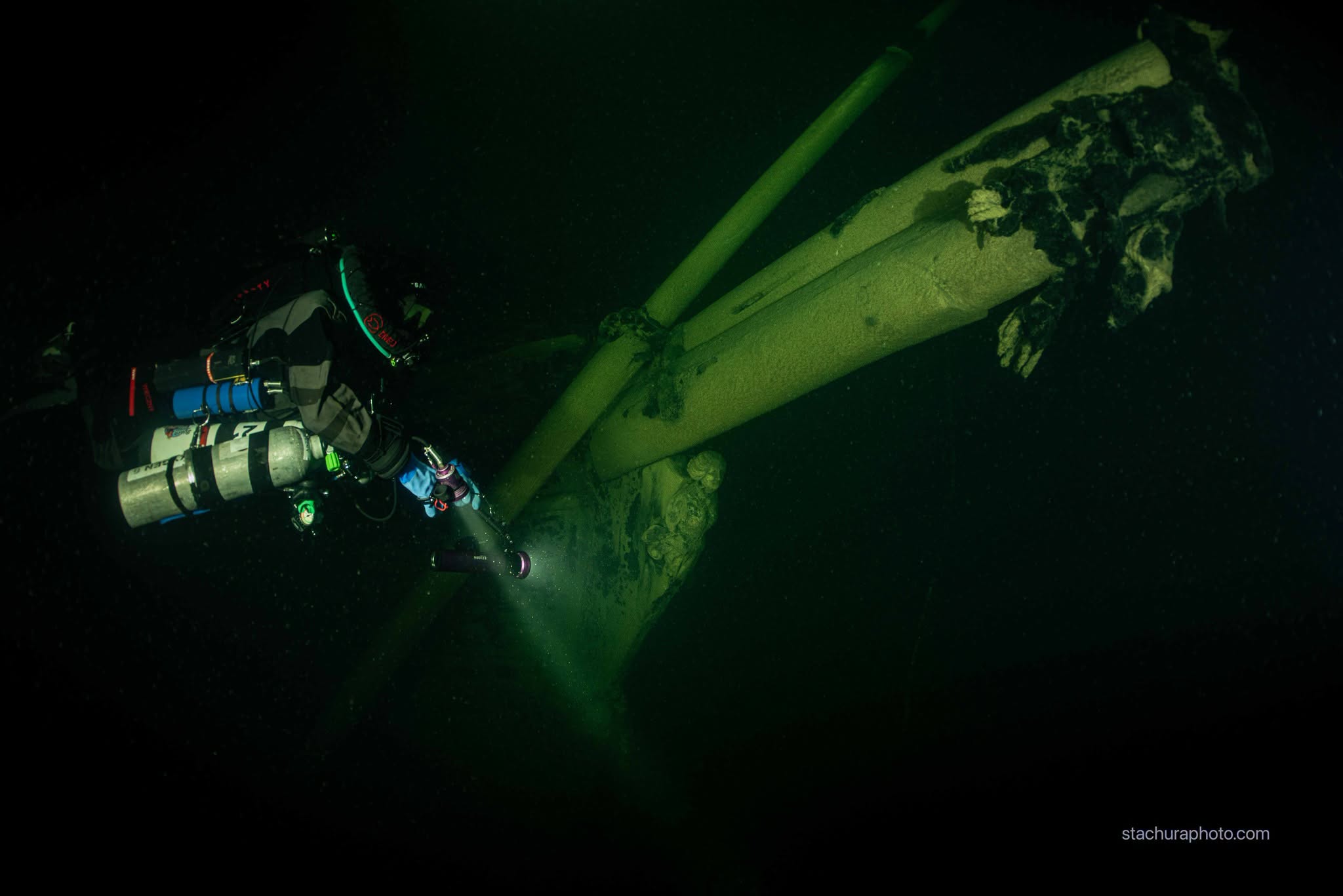
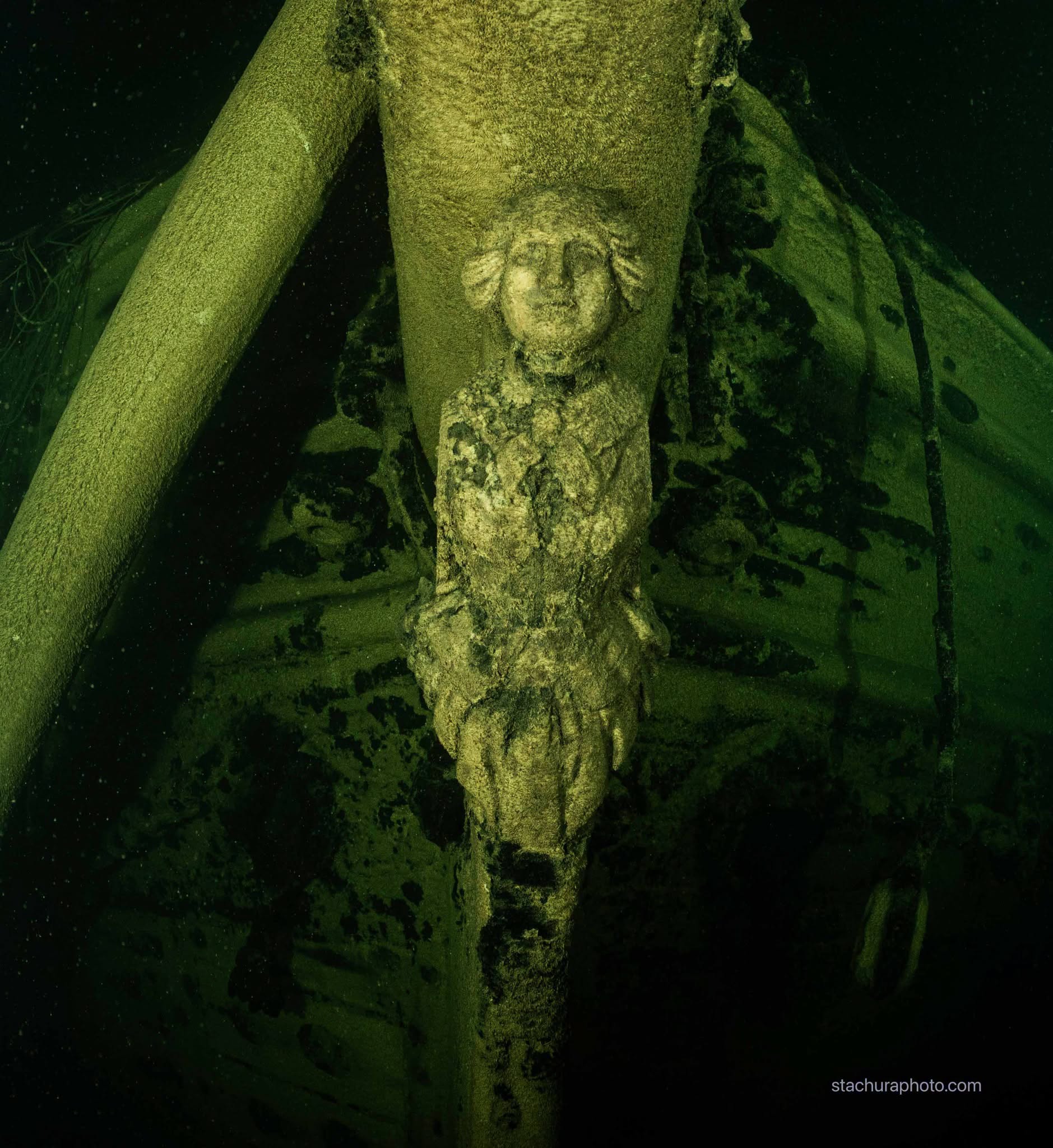
The ship still has its figurehead, two standing masts and crow’s nests, while the vessel’s name and the owner’s coat of arms can still be seen on the stern. It is the kind of preservation that makes Baltic wreck diving unique.
We had wanted to dive Fylla of Rønne since the wreck was discovered by Carl Douglas and his team. During this expedition, we finally completed two dives on the site.
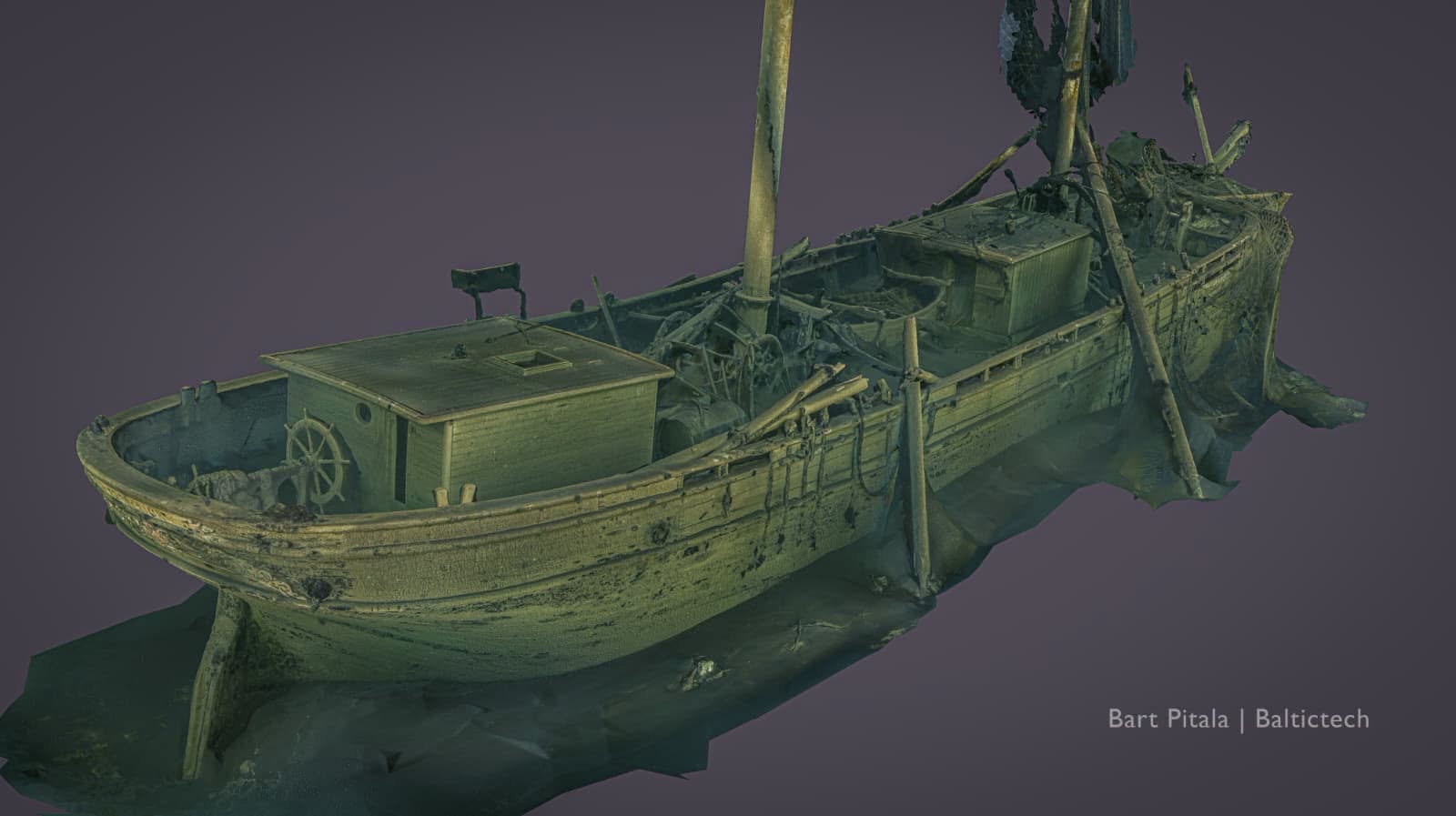
Bartłomiej Pitala also created an impressive photogrammetric model of the wreck, revealing details that were difficult to appreciate even while diving around the ship itself.
At first glance, Fylla of Rønne looks like an elegant vessel built to carry passengers or valuable cargo. The reality was much more surprising – on her final voyage, she was transporting coal from England to Gävle in northern Sweden.
The ship disappeared in 1888, causing considerable concern on Bornholm, where she came from. Her fate remained unknown for well over a century, until Swedish divers finally located the wreck.
Our thanks go to Thomas Gerval and Henrik Absalon for their cooperation and support during the project.
Deep steamships of Gotland
After the unforgettable dives on Fylla of Rønne, we continued exploring Gotland’s deep steamship wrecks.
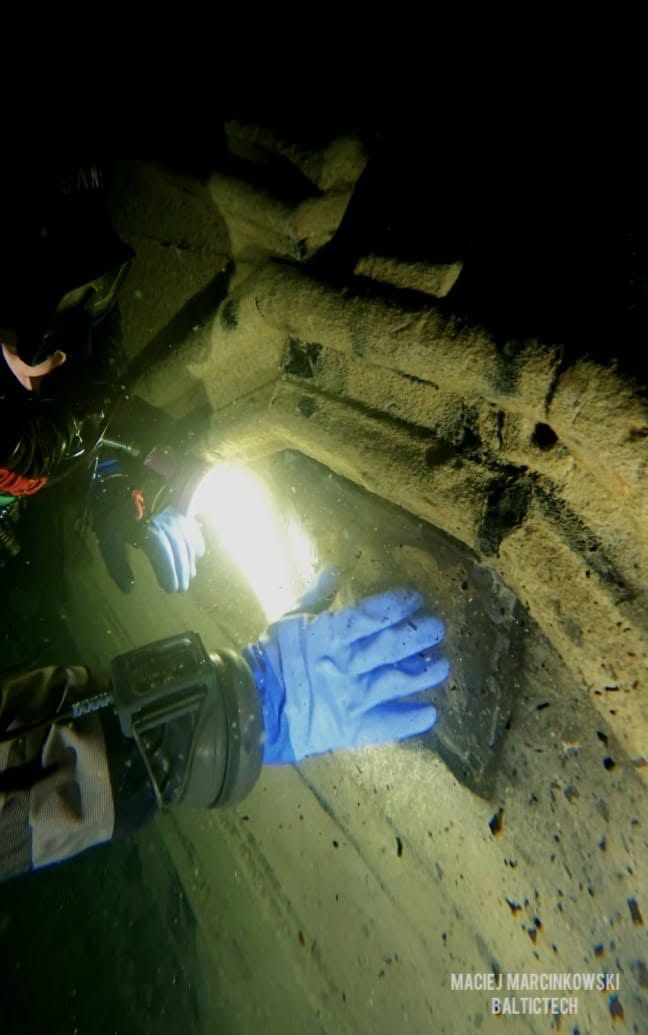
In total, we visited four steamships lying between approximately 75 and 105 metres. Bells, telegraphs, steering wheels and other equipment remain in place, but some of the most important finds were the original shipyard builder’s plates. These details allowed us to confirm the identities of the wrecks with certainty.
It is difficult to describe what makes diving around Gotland so special. Perhaps it is the depth, the distance from shore and the effort required to get there. Or perhaps it is simply the feeling of descending onto a ship that looks as though nobody has touched it since the day it sank.
This is the essence of Baltic wreck diving.
We returned from Gotland with photographs, photogrammetry, documentation and plenty of stories to tell.
And we are saving some of the best material for Baltictech Conference in Gdynia this November.
See you at Baltictech!