Some discoveries are interesting, some are important, and some are downright spectacular.
But what happened to us at the end of the 2026 diving season, practically right under our noses, on the seabed of Puck Bay, is a truly extraordinary story.
As you probably know, the Gulf of Gdańsk is full of German, Russian, Swedish, and British shipwrecks.
But Polish wrecks? Almost none. And the remains of ORP Wicher don't exactly improve those statistics.
But let's start from the beginning...
In interwar Poland, demand for maritime tourism was growing rapidly, but there was a shortage of suitable vessels.
So, in 1926, the Polish shipping company Żegluga Polska decided to order two passenger steamships from the German shipyard Danziger Werft in Gdańsk. The vessels were designed for short cruises around the Gulf of Gdańsk.
They were named SS Gdynia and SS Gdańsk.
Their fascinating history is described in detail here:
https://strefahistorii.pl/.../3076-ss-gdansk-i-ss-gdynia
On August 28, 1939, both steamships were mobilized and entered service with the Polish Navy.
Unfortunately, their military careers were tragically short.
On September 2, 1939, both vessels were sunk by the Luftwaffe while lying at anchor.
ORP Gdańsk was sunk near Mechelinki, while ORP Gdynia went down south of Jastarnia.
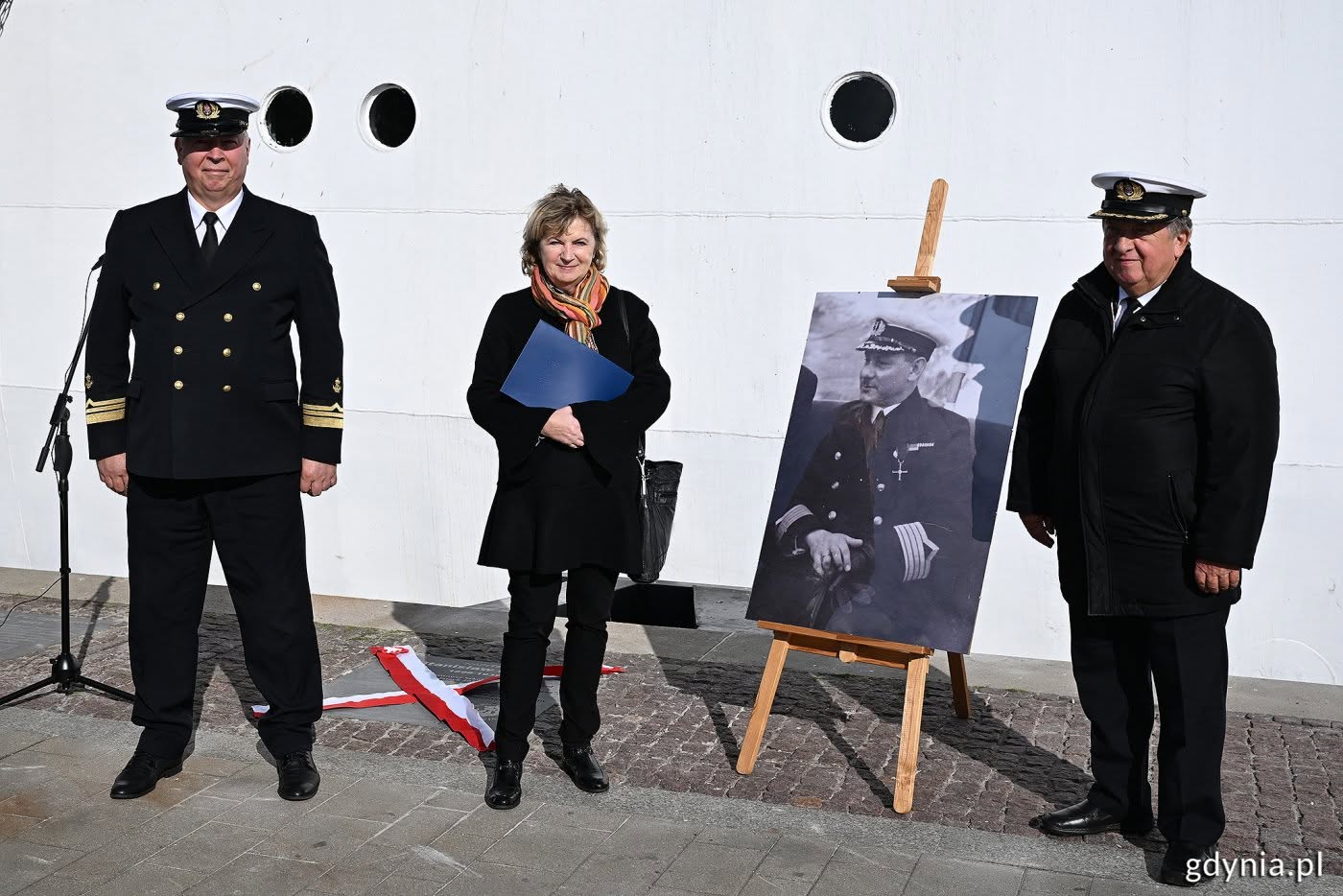
The latter was commanded by the legendary Captain Stanisław Kosko, the last director of the Maritime School in Gdynia before World War II.
Around 35 crew members lost their lives during the air raid on September 2. Captain Kosko himself was seriously wounded and died in a hospital in Gdynia six days later.
His name is still well known in Gdynia. Both a school and a street in the city are named after him.
His wife, Jadwiga Titz-Kosko, survived the war, having taken part in the Warsaw Uprising.
After the war, she became a highly respected rheumatologist. Her life's work was the famous "Za Falochronem" medical cooperative in Gdynia's Witomino district.
But where does the diving come into this story?
Well, while going through old documents from the Polish Ship Salvage Company (Polskie Ratownictwo Okrętowe, PRO), we came across records of shipwrecks that had been considered suitable for salvage and were subsequently recovered for scrap.
ORP Gdynia was listed as "salvaged."
But we thought, "What harm could it do to check?"
Especially since, just 100 meters from the position recorded in the PRO documents, we had some "unidentified remains" marked on our charts.
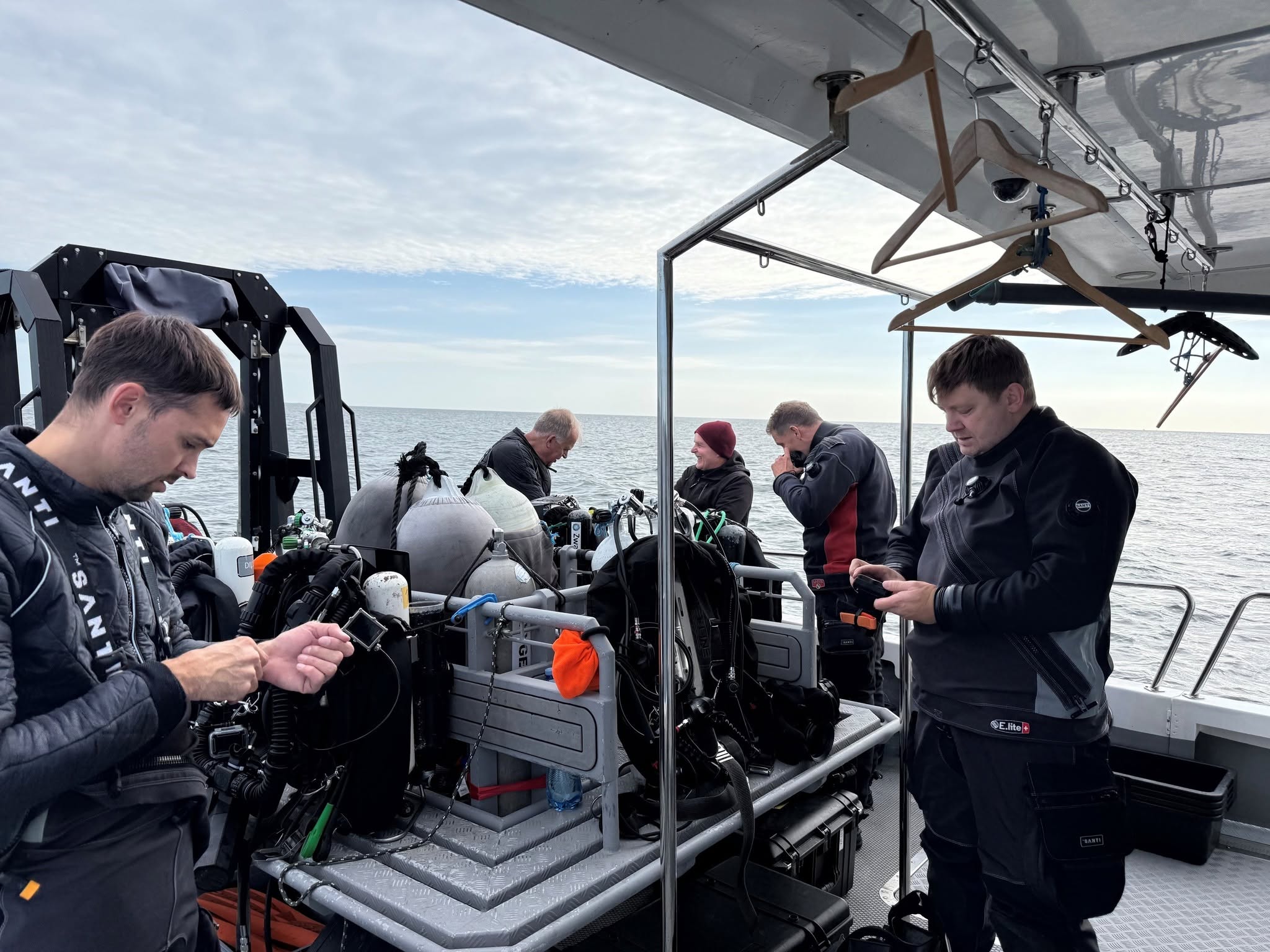
When we descended to the seabed, we were in for an incredible surprise!
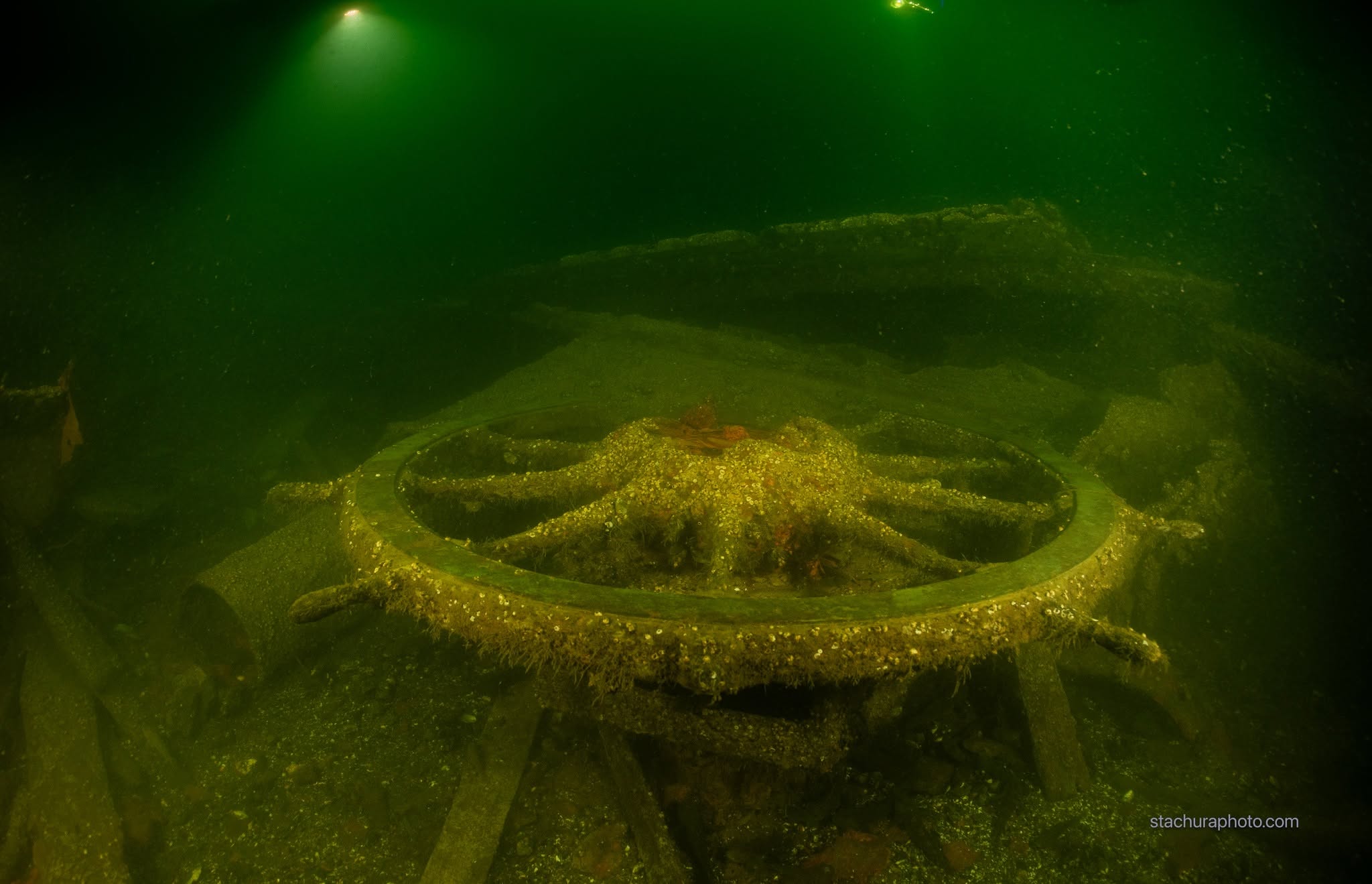
There, in relatively shallow water, part of the ship was still resting on the bottom, with a magnificent, large ship's wheel right in the middle!
Polish inscriptions on a deck inspection hatch only strengthened our conviction that we had found the remains of ORP Gdynia.
Fortunately for us, PRO had not recovered the entire wreck after the war. Instead, parts of it had been destroyed using explosive charges.
And thanks to that, just a few kilometers offshore, in shallow water, an incredible piece of Polish maritime history is still waiting beneath the surface.
So, what happens next?
Naturally, we have already informed the relevant authorities about our discovery.
The wreck site will soon be placed under special protection by the Maritime Office.
We are also working with the Polish Naval Museum in Gdynia on a project to recover the ship's wheel together with its steering column.
It will be an extremely challenging operation, but this artifact is so historically valuable to Gdynia that it deserves to be recovered with the greatest care, precision, and absolutely no rush.
And there's more!
If this story has caught your interest, we are planning a special presentation together with the Polish Naval Museum in Gdynia.
During the event, we'll share the full story of the discovery, along with the remarkable lives of Captain Stanisław Kosko and his wife Jadwiga.
On behalf of the Polish Naval Museum and our entire team, we warmly invite you to join us:
Polish Naval Museum, Gdynia
ul. Zawiszy Czarnego 1B
Monday, October 26, at 5:00 PM
Free admission!
And for our fellow divers, we'll be sharing even more details at the upcoming Baltictech Conference.
See you there!